


Hey there! As a supplier of Mini Plastic Injection Molding Machines, I often get asked about the ventilation requirements when using these nifty little machines. So, let's dive right in and chat about what you need to know to keep your workspace safe and your machine running smoothly.
First off, why is ventilation so important when using a Mini Plastic Injection Molding Machine? Well, during the injection molding process, plastics are heated to high temperatures and melted. This can release various fumes and volatile organic compounds (VOCs) into the air. These fumes can be harmful if inhaled over a long period, causing respiratory problems, headaches, and even more serious health issues. That's why having proper ventilation is crucial to protect you and your employees.
Types of Fumes and Their Risks
Different types of plastics used in injection molding can release different types of fumes. For example, polycarbonate can release bisphenol A (BPA) when heated, which is a known endocrine disruptor. PVC can release hydrogen chloride gas, which is highly corrosive and can cause severe damage to the respiratory system. Even common plastics like polyethylene and polypropylene can release small amounts of VOCs and other harmful substances when melted.
The risks associated with these fumes aren't just limited to health problems. They can also affect the quality of your products. Fumes can contaminate the molding environment, leading to defects in the plastic parts. And in some cases, the fumes can even cause corrosion and damage to the injection molding machine itself.
Ventilation Requirements
So, what are the ventilation requirements when using a Mini Plastic Injection Molding Machine? The exact requirements can vary depending on several factors, including the type of plastic being used, the size of the machine, and the volume of production. However, there are some general guidelines that you should follow.

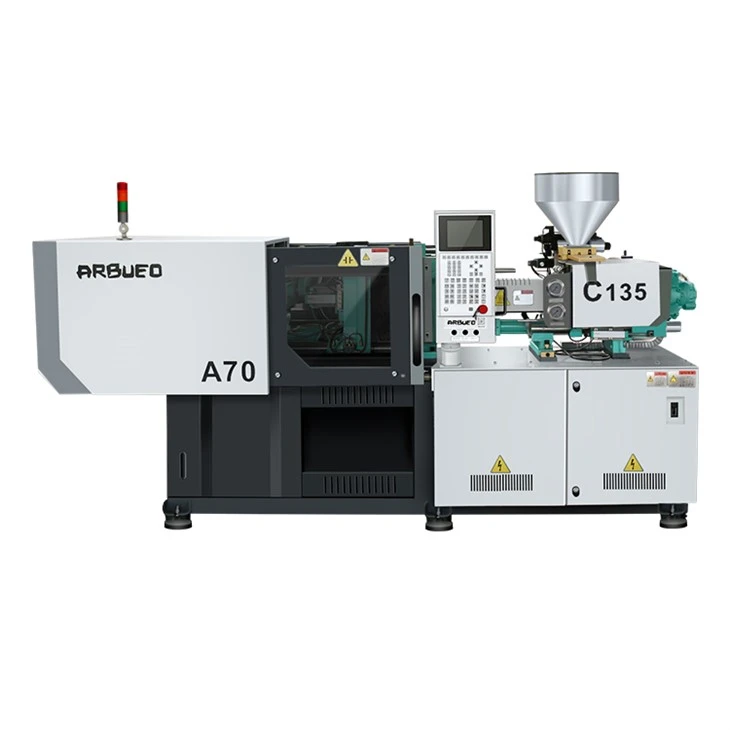
Air Exchange Rate
One of the most important factors in ventilation is the air exchange rate. This refers to how many times the air in the room is completely replaced with fresh air in an hour. For a workspace with a Mini Plastic Injection Molding Machine, a good rule of thumb is to aim for an air exchange rate of at least 6 to 8 times per hour. This means that if your room has a volume of 1000 cubic feet, you need a ventilation system that can move at least 6000 to 8000 cubic feet of air per hour.
Local Exhaust Ventilation
In addition to general room ventilation, it's also a good idea to use local exhaust ventilation. This involves capturing the fumes at the source, right where they are being generated. You can use a hood or a duct system to collect the fumes and direct them outside. Local exhaust ventilation is more effective at removing fumes than general room ventilation alone, as it prevents the fumes from spreading throughout the workspace.
Filtration
Another important aspect of ventilation is filtration. A good ventilation system should have filters to remove the harmful particles and fumes from the air. There are different types of filters available, including activated carbon filters, HEPA filters, and electrostatic filters. The type of filter you choose will depend on the type of fumes you're dealing with. For example, activated carbon filters are great for removing VOCs, while HEPA filters are better at removing small particles.
Ventilation System Design
Designing a ventilation system for a Mini Plastic Injection Molding Machine requires careful planning. You need to consider the layout of your workspace, the location of the machine, and the flow of air. Here are some tips to help you design an effective ventilation system:
- Location of the Machine: Place the Mini Plastic Injection Molding Machine in a well-ventilated area, away from walls and other obstacles that could block the flow of air.
- Ductwork: Use smooth, straight ductwork to minimize resistance and ensure efficient airflow. Avoid sharp bends and elbows, as these can cause the air to slow down and reduce the effectiveness of the ventilation system.
- Fan Size and Capacity: Choose a fan that is large enough to provide the required air exchange rate. Make sure to consider the static pressure of the ductwork when selecting a fan.
- Placement of Exhaust Vents: Place the exhaust vents outside the building, away from windows, doors, and other air intakes. This will prevent the fumes from being recirculated back into the workspace.
Monitoring and Maintenance
Once you have installed a ventilation system, it's important to monitor and maintain it regularly. Here are some things you should do:
- Regular Inspections: Inspect the ventilation system regularly to check for any signs of damage or blockage. Make sure the filters are clean and the fans are working properly.
- Filter Replacement: Replace the filters according to the manufacturer's recommendations. This will ensure that the ventilation system is operating at its peak efficiency.
- Air Quality Testing: Conduct air quality testing periodically to monitor the levels of fumes and VOCs in the workspace. This will help you determine if the ventilation system is working effectively.
Conclusion
Proper ventilation is essential when using a Mini Plastic Injection Molding Machine. It not only protects the health of your employees but also ensures the quality of your products and the longevity of your machine. By following the ventilation requirements and guidelines outlined in this blog, you can create a safe and productive workspace.
If you're in the market for a Mini Plastic Injection Molding Machine or need more information about ventilation requirements, feel free to reach out to us. We're here to help you make the right choice for your business. And if you're interested in other types of injection molding machines, check out our Injection Stretch Blow Molding Machine and Bottle Injection Molding Machine.
References
- "Plastics Industry Handbook." American Chemistry Council.
- "Occupational Safety and Health Guidelines for the Plastics Industry." Occupational Safety and Health Administration (OSHA).
- "Ventilation for Industrial Workspaces." National Institute for Occupational Safety and Health (NIOSH).