


How often should the hydraulic oil be changed in a hydraulic rubber moulding machine?
As a supplier of Hydraulic Rubber Moulding Machines, I understand that one of the most common questions our customers ask is about the frequency of changing the hydraulic oil. Hydraulic oil plays a crucial role in the operation of a hydraulic rubber moulding machine. It serves as a power - transmitting medium, lubricant, and coolant. Therefore, knowing when to change the hydraulic oil is essential for maintaining the machine's performance, efficiency, and longevity.
Factors Affecting the Frequency of Hydraulic Oil Change
-
Operating Conditions
- Temperature: High operating temperatures can accelerate the oxidation of hydraulic oil. When the oil is exposed to high temperatures for extended periods, it can break down more quickly, forming sludge and varnish. These deposits can clog filters, reduce the efficiency of the hydraulic system, and cause wear on components. For example, if a hydraulic rubber moulding machine is operating in a hot environment, say above 60°C, the oil may need to be changed more frequently, perhaps every 1000 - 1500 operating hours. In contrast, in a cooler environment (around 20 - 30°C), the oil change interval can be extended to 2000 - 3000 operating hours.
- Contamination: The presence of contaminants such as dust, dirt, and water in the hydraulic oil can also significantly affect its lifespan. In a factory with a high - dust environment, for instance, the dust can enter the hydraulic system through the breather cap or seals. This abrasive dust can cause wear on the pump, valves, and cylinders. Water contamination can lead to corrosion and the formation of emulsions, which can reduce the lubricating properties of the oil. If the machine is in a contaminated environment, the oil should be monitored more closely, and changes may be required every 800 - 1200 operating hours.
-
Machine Usage
- Intensity of Use: Machines that are used continuously for long periods will put more stress on the hydraulic oil. A hydraulic rubber moulding machine that runs 24/7 in a high - volume production facility will experience more wear and tear on the oil compared to a machine that is used only part - time. For continuous operation, the oil may need to be changed every 1500 - 2000 hours, while a part - time used machine (say, 8 hours a day, 5 days a week) might be able to go 2500 - 3500 hours between oil changes.
- Load: The load on the hydraulic system also matters. If the machine is frequently operating at its maximum capacity, the oil will be under more pressure and will heat up more. For example, when moulding large and thick rubber parts, the hydraulic system has to work harder, which can degrade the oil faster. In such high - load situations, the oil change interval may need to be reduced by 20 - 30% compared to normal - load operations.
-
Quality of Hydraulic Oil
- Base Oil and Additives: High - quality hydraulic oils with better base oils and additives have better oxidation resistance, anti - wear properties, and water - separation capabilities. For example, synthetic hydraulic oils generally have a longer service life than mineral - based oils. A high - quality synthetic oil may be able to last 3000 - 4000 operating hours under normal conditions, while a lower - quality mineral oil might need to be changed every 1500 - 2000 hours.
General Guidelines for Hydraulic Oil Change
Based on industry standards and our experience as a Hydraulic Rubber Moulding Machine supplier, here are some general guidelines for changing hydraulic oil:
- New Machines: For a newly installed hydraulic rubber moulding machine, the first oil change is usually recommended after the initial 500 - 800 operating hours. This is because during the break - in period, there may be small metal particles and debris in the system from the manufacturing and assembly process. Changing the oil early helps to remove these contaminants and prevent damage to the components.
- Regular Use: Under normal operating conditions (moderate temperature, low contamination, and normal load), the hydraulic oil in a hydraulic rubber moulding machine should be changed every 2000 - 3000 operating hours. However, it is important to note that these are just general guidelines, and actual intervals may vary depending on the factors mentioned above.
- Monitoring and Testing: In addition to following the operating - hour guidelines, it is advisable to regularly monitor and test the hydraulic oil. Oil analysis can provide valuable information about the condition of the oil, such as its viscosity, water content, and the presence of contaminants. By performing oil analysis every 500 - 1000 operating hours, you can get a more accurate picture of when the oil needs to be changed. If the analysis shows that the oil's properties are deteriorating beyond acceptable limits, an early oil change may be necessary.
Consequences of Not Changing the Hydraulic Oil on Time
- Reduced Machine Performance: Old and degraded hydraulic oil can lead to a decrease in the machine's performance. The reduced lubrication can cause increased friction between moving parts, resulting in slower operation and less precise control of the hydraulic system. For example, the clamping force of the mould may become inconsistent, leading to defective rubber products.
- Increased Wear and Tear: As the oil loses its lubricating and anti - wear properties, the components in the hydraulic system, such as the pump, valves, and cylinders, will experience more wear. This can lead to costly repairs and replacements. For instance, a worn - out pump may need to be replaced, which can be a significant expense.
- System Failures: In extreme cases, not changing the hydraulic oil on time can cause system failures. The build - up of sludge and varnish can clog the oil passages, leading to overheating and even the seizure of the hydraulic pump. This can result in unplanned downtime, which can be very costly for a production facility.
Importance of Using the Right Hydraulic Oil
Using the right type and grade of hydraulic oil is as important as changing it at the appropriate time. The viscosity of the oil should be suitable for the operating temperature and the requirements of the hydraulic system. For example, in cold environments, a lower - viscosity oil may be required to ensure proper flow, while in hot environments, a higher - viscosity oil may be needed to maintain sufficient lubrication.
It is also important to use hydraulic oils that are compatible with the materials used in the hydraulic system. Some oils may cause swelling or degradation of seals and gaskets, which can lead to leaks and other problems.
Related Machines and Their Hydraulic Oil Requirements
We also supply other types of injection - moulding machines, such as the Hybrid Injection Moulding Machine and the Hydraulic Clamping Injection Molding Machine. These machines also rely on hydraulic systems, and their hydraulic oil change requirements are similar to those of the hydraulic rubber moulding machine. However, due to differences in design and operation, the specific intervals may vary slightly. For example, the hybrid injection moulding machine, which combines hydraulic and electric technologies, may have a different oil change interval depending on the proportion of hydraulic operation in its cycle.
Conclusion
In conclusion, determining how often to change the hydraulic oil in a hydraulic rubber moulding machine is not a one - size - fits - all answer. It depends on various factors such as operating conditions, machine usage, and the quality of the oil. By following the general guidelines, regularly monitoring and testing the oil, and using the right type of oil, you can ensure the optimal performance and longevity of your hydraulic rubber moulding machine.
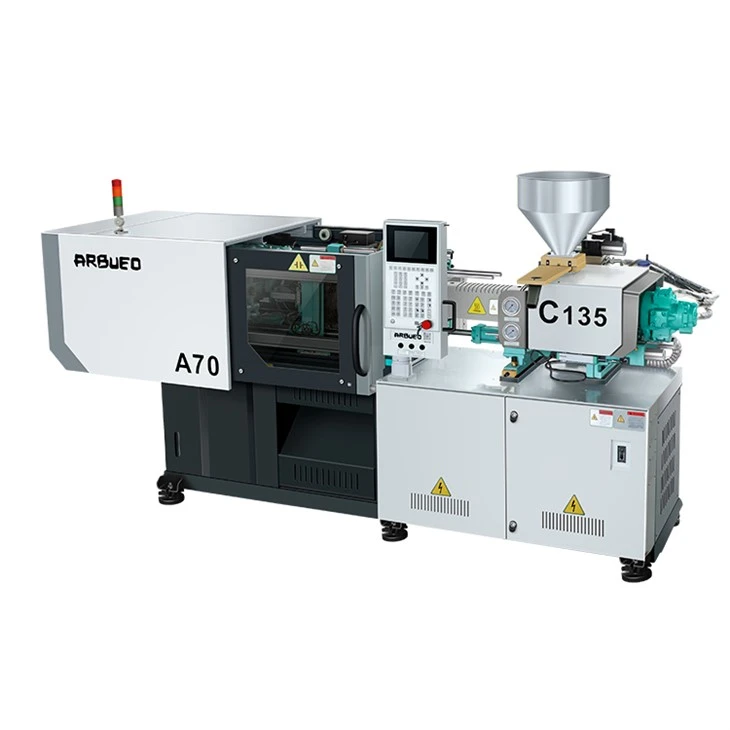

If you are in the market for a Hydraulic Rubber Moulding Machine or need more information about hydraulic oil maintenance, feel free to reach out to us. We are here to provide you with professional advice and high - quality products. Contact us to start a procurement discussion and find the best solution for your manufacturing needs.
References
- "Hydraulic System Maintenance Handbook", Industrial Press Inc.
- "Hydraulic Fluids and Lubricants: Properties and Performance", CRC Press.