


Hey there! As a supplier of Hybrid Injection Molding Machines, I've seen firsthand the importance of quality control in the products these machines churn out. In this blog, I'm gonna break down the key quality control measures we use to ensure top - notch products.
1. Raw Material Inspection
Before anything else, we start with the raw materials. You know, garbage in, garbage out. So, we carefully check every batch of plastic resin or other materials that come in. We look at things like the color consistency, as even a slight difference can affect the final appearance of the product.
We also check the moisture content. Too much moisture in the plastic can lead to all sorts of problems, like bubbles or weak spots in the molded parts. We use specialized equipment to measure the moisture levels, and if it's not up to par, we either dry the material further or send it back to the supplier.
The particle size and shape of the raw materials are important too. Irregularly sized particles can cause uneven melting during the injection molding process, which can result in inconsistent product quality. We use sieves and other sorting tools to make sure the particles meet our specifications.
2. Machine Calibration
Our Hybrid Injection Molding Machines are like the heart of the operation. To make sure they're working as they should, regular calibration is a must. We check things like the temperature settings. The right temperature is crucial for proper melting and flow of the plastic. If the temperature is too high, the plastic can degrade, and if it's too low, it won't fill the mold properly.
The pressure settings also need to be spot - on. Incorrect pressure can lead to under - filled or over - packed parts. We use pressure sensors and gauges to monitor and adjust the pressure during the molding process.
In addition, the injection speed and screw rotation speed need to be calibrated. These factors affect how quickly the plastic is injected into the mold and how well it's mixed. A well - calibrated machine ensures that each product is made under the same optimal conditions, reducing the chances of defects.
3. Mold Inspection
The mold is where the magic happens, and it has to be in tip - top shape. Before we start a production run, we thoroughly inspect the mold for any signs of wear and tear. Cracks, scratches, or worn - out parts can cause defects in the molded products, like flash (excess plastic around the edges) or uneven surfaces.
We also check the alignment of the mold halves. If they're not perfectly aligned, the product may have asymmetrical features or misaligned parts. We use precision measuring tools to ensure the mold is properly aligned.
Cleaning the mold is another important step. Residue from previous molding cycles can build up on the mold surface, affecting the quality of the new products. We use specialized cleaning agents and tools to remove any debris and make sure the mold is clean before each use.
4. In - Process Monitoring
During the actual injection molding process, we keep a close eye on everything. We use sensors to monitor the temperature, pressure, and other key parameters in real - time. If any of these parameters deviate from the set values, an alarm goes off, and we can take immediate action to correct the issue.
We also conduct visual inspections at regular intervals. Our operators look for any obvious defects, like warping, sink marks, or air bubbles. If they spot a problem, they can stop the machine right away and make the necessary adjustments.
In addition, we take random samples of the products during the production run. These samples are then subjected to more detailed testing, such as dimensional checks and strength tests. This helps us catch any quality issues early on and make sure the entire batch of products meets our standards.
5. Post - Production Testing
Once the products are out of the mold, they're not quite ready to go yet. We conduct a series of post - production tests to ensure they meet all the required specifications.
Dimensional accuracy is one of the most important aspects. We use precision measuring tools, like calipers and micrometers, to check the size and shape of the products. Any product that doesn't meet the specified dimensions is considered a reject.
We also test the strength and durability of the products. Depending on the application, we may conduct tests like tensile strength tests, impact tests, or flexural strength tests. These tests help us determine if the products can withstand the stresses they'll encounter in real - world use.
Surface finish is another factor we consider. A smooth and defect - free surface is often important for both aesthetic and functional reasons. We use visual inspections and surface roughness testers to evaluate the surface quality of the products.
6. Traceability and Documentation
We believe in complete transparency when it comes to quality control. That's why we maintain detailed records of every production batch. We document things like the raw materials used, the machine settings, the production date and time, and the test results.
This traceability allows us to quickly identify the source of any quality issues. If a customer reports a problem with a product, we can look back at the records and determine exactly what went wrong. It also helps us improve our processes over time by analyzing the data and identifying trends.
Related Products
If you're interested in other types of injection molding machines, we also offer Large Injection Molding Machine, High Speed Injection Molding Machine, and Mini Plastic Injection Molding Machine. These machines are designed to meet different production needs and can also benefit from the same high - quality control measures.
Conclusion
Quality control is an ongoing process that starts with the raw materials and continues all the way through to the finished product. By implementing these quality control measures, we can ensure that the products made by our Hybrid Injection Molding Machines are of the highest quality.
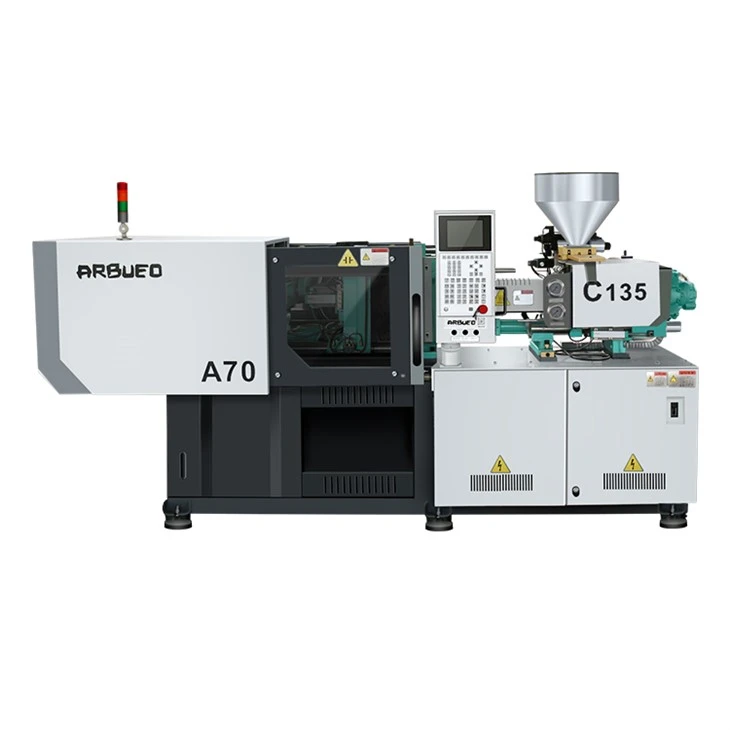

If you're in the market for high - quality injection molding products or are interested in our Hybrid Injection Molding Machines, don't hesitate to reach out. We're always happy to discuss your specific needs and how we can help you achieve your production goals.
References
- "Injection Molding Handbook" by O. Olafsson
- "Plastics Processing: Modeling and Simulation" by C. Rauwendaal