


Hey there! I'm a supplier of Plastic Injection Moulding Machines, and I've been in this industry for quite a while. Today, I wanna talk about something that's not always in the spotlight – the disadvantages of a plastic injection moulding machine.
High Initial Investment
First off, one of the biggest drawbacks is the high initial investment. Buying a plastic injection moulding machine isn't cheap. Whether you're looking at a Plastic Pallet Injection Molding Machine, a Large Injection Molding Machine, or a High Speed Injection Molding Machine, you're gonna need a significant amount of capital.
These machines come with advanced technology and high - quality components, which drive up the cost. And it's not just the machine itself. You also have to factor in the cost of the moulds. Moulds are custom - made for each specific product, and they can be really expensive, especially for complex designs. This high upfront cost can be a major barrier for small businesses or startups that are on a tight budget.
High Energy Consumption
Another big issue is the high energy consumption. Plastic injection moulding machines need a lot of power to operate. They have to heat the plastic to a high temperature so that it can be injected into the mould. The heating elements, the motors that drive the injection process, and the cooling systems all consume a substantial amount of electricity.
Over time, these energy costs can really add up. It's not just bad for your bottom line, but it's also not great for the environment. With the increasing focus on sustainability, high energy consumption is becoming a more and more significant drawback. You might end up spending a fortune on energy bills, which can eat into your profits.
Limited Material Compatibility
Plastic injection moulding machines are designed to work with specific types of plastics. Not all plastics can be used in these machines. Some plastics have unique properties, like high melting points or chemical reactivity, that make them incompatible with the injection moulding process.
For example, some high - performance plastics might require special processing conditions that the standard injection moulding machine can't provide. This limits your options when it comes to choosing materials for your products. If you want to use a certain type of plastic that's not compatible with your machine, you either have to find an alternative plastic or invest in a different machine, which can be costly.
Long Setup Time
Setting up a plastic injection moulding machine for a new production run can be a time - consuming process. First, you have to install the correct mould. This involves carefully aligning the mould with the machine and making sure it's securely fastened. Then, you have to calibrate the machine for the specific plastic and product design.
You need to set the right temperature, pressure, and injection speed. This calibration process often requires a lot of trial and error to get it just right. And if there are any changes to the product design or the plastic material, you have to go through the setup process all over again. This long setup time can slow down your production schedule, especially if you have a lot of different products to manufacture.
Maintenance and Repair Challenges
Maintaining and repairing a plastic injection moulding machine can be a real headache. These machines have a lot of moving parts, and over time, these parts can wear out. Regular maintenance is essential to keep the machine running smoothly, but it can be complex and time - consuming.
You need to have trained technicians who know how to service the machine properly. And if something goes wrong, finding replacement parts can be a challenge. Some parts might be hard to source, especially if the machine is an older model or if it's a specialized machine. Delays in getting replacement parts can lead to production downtime, which can cost you a lot of money.
Waste Generation
Plastic injection moulding can generate a significant amount of waste. During the production process, there are often runners, sprues, and flash that are produced. Runners and sprues are the channels through which the molten plastic flows into the mould, and flash is the excess plastic that seeps out of the mould.
These waste materials have to be removed from the finished products. While some of this waste can be recycled, not all of it can be. And recycling also requires additional equipment and processes, which add to the cost. The generation of waste is not only a financial issue but also an environmental concern, especially in today's world where there's a growing emphasis on reducing plastic waste.
Noise Pollution
Plastic injection moulding machines can be really noisy. The motors, the hydraulic systems, and the movement of the machine parts all produce a lot of noise. This can be a problem for the workers in the factory. Prolonged exposure to high - level noise can cause hearing damage and other health issues.
To comply with safety regulations, you might have to invest in noise - reduction measures, like soundproof enclosures or ear protection for your workers. These additional measures add to the overall cost of operating the machine.
High Tooling Costs for Small Production Runs
If you're doing small production runs, the cost of tooling becomes a major disadvantage. As I mentioned earlier, the moulds are custom - made and can be very expensive. For a large production run, the cost of the mould can be spread out over a large number of products, making it more cost - effective.

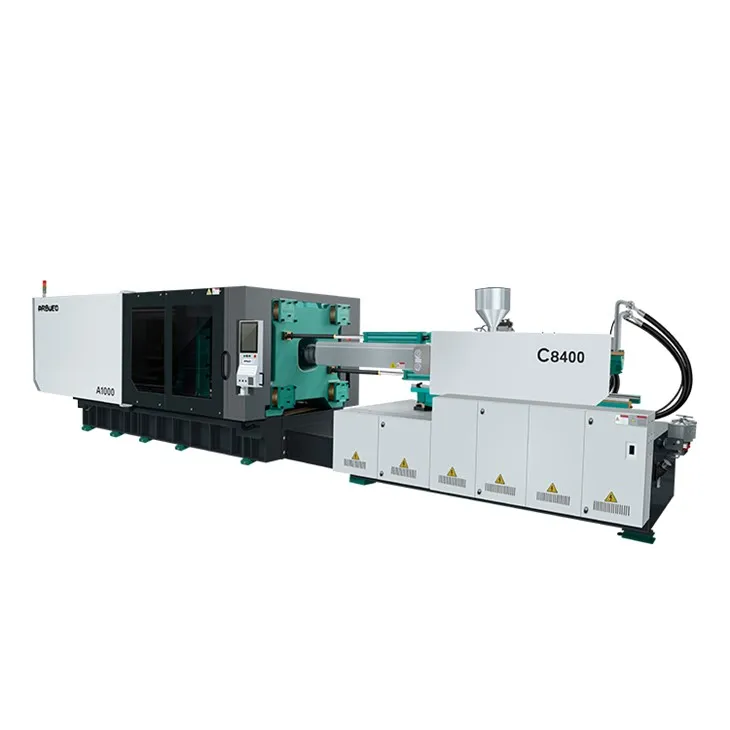
But for small production runs, the cost of the mould per product is extremely high. This makes it difficult to justify the use of plastic injection moulding for small - scale production. You might end up spending more on the mould than you can make from selling the products.
Difficulty in Design Changes
Once a mould is made, making design changes can be a hassle. If you want to modify the shape, size, or features of the product, you usually have to make a new mould. This is because the mould is precisely engineered to produce a specific product design.
Making a new mould is not only expensive but also time - consuming. It can disrupt your production schedule and increase your costs. So, if you're in an industry where design changes are frequent, plastic injection moulding might not be the best option.
Despite all these disadvantages, plastic injection moulding machines are still widely used in many industries because they also offer a lot of benefits, like high - volume production and the ability to produce complex shapes. If you're thinking about buying a plastic injection moulding machine, it's important to weigh these disadvantages against the advantages.
If you have any questions about our plastic injection moulding machines or if you're interested in discussing your specific production needs, feel free to reach out. We're here to help you make the best decision for your business.
References
- "Plastic Injection Molding Handbook" by O. Olabisi
- "Manufacturing Engineering and Technology" by S. Kalpakjian and S. Schmid