


In the realm of plastic manufacturing, hybrid injection moulding machines have emerged as a revolutionary solution, offering a perfect blend of hydraulic and electric technologies. As a leading supplier of Hybrid Injection Moulding Machines [hyperlink: "/injection-molding-machine/plastic-injection-machine/hybrid-injection-moulding-machine.html"], we understand the critical importance of each component in these sophisticated machines. One such component that plays a pivotal role is the clamping unit. In this blog, we will delve into the intricacies of the clamping unit's role in a hybrid injection moulding machine, exploring its functions, importance, and the impact it has on the overall injection moulding process.
Understanding the Hybrid Injection Moulding Machine
Before we dive into the role of the clamping unit, it's essential to have a basic understanding of what a hybrid injection moulding machine is. A hybrid injection moulding machine combines the best of hydraulic and electric technologies. The hydraulic system provides the high force required for clamping and injection, while the electric system offers precise control, energy efficiency, and faster cycle times. This combination results in a machine that is not only powerful but also highly efficient and accurate, making it ideal for a wide range of plastic injection moulding applications.
The Clamping Unit: An Overview
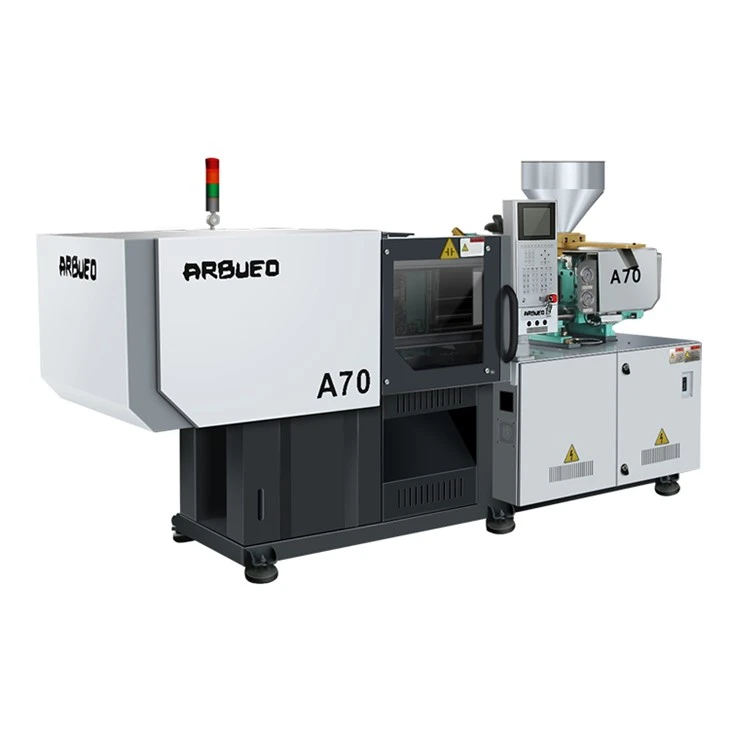
The clamping unit is one of the two main components of an injection moulding machine, the other being the injection unit. Its primary function is to hold the mould closed during the injection process and to open and close the mould at the appropriate times. The clamping unit consists of several parts, including the fixed and moving platens, the tie bars, the clamping mechanism, and the hydraulic or electric drive system.
Functions of the Clamping Unit
1. Mould Closing and Opening
The first and most obvious function of the clamping unit is to close and open the mould. At the start of the injection process, the clamping unit moves the moving platen towards the fixed platen, closing the mould. Once the plastic has been injected and cooled, the clamping unit opens the mould, allowing the finished part to be ejected. This process must be precise and repeatable to ensure consistent part quality.
2. Mould Clamping
During the injection process, high pressure is applied to the molten plastic as it is injected into the mould cavity. The clamping unit must be able to generate enough force to hold the mould closed against this pressure. This force, known as the clamping force, is one of the most important specifications of an injection moulding machine. If the clamping force is too low, the mould may open slightly during injection, causing flash (excess plastic) to form on the part. On the other hand, if the clamping force is too high, it can damage the mould or the machine itself.
3. Mould Alignment
Proper alignment of the mould is crucial for the production of high-quality parts. The clamping unit ensures that the moving and fixed platens are parallel and that the mould halves are properly aligned. This alignment is maintained throughout the injection process, preventing misalignment that could lead to part defects such as uneven wall thickness or poor surface finish.
4. Ejection of the Finished Part
Once the plastic has cooled and solidified, the clamping unit opens the mould, and the ejection system is activated to remove the finished part from the mould. The clamping unit plays a role in this process by providing the necessary space for the ejection mechanism to operate.
Importance of the Clamping Unit in a Hybrid Injection Moulding Machine
1. Energy Efficiency
One of the key advantages of a hybrid injection moulding machine is its energy efficiency. The clamping unit in a hybrid machine is designed to optimize energy consumption. The electric drive system used in the clamping unit allows for precise control of the clamping force and speed, reducing energy waste. Additionally, the hydraulic system in the clamping unit can be designed to operate only when necessary, further improving energy efficiency.
2. Precision and Repeatability
Injection moulding requires a high level of precision and repeatability to produce consistent, high-quality parts. The clamping unit in a hybrid machine, with its combination of hydraulic and electric technologies, offers excellent precision and repeatability. The electric drive system provides accurate control of the clamping force and position, while the hydraulic system ensures the high force required for clamping. This combination results in a clamping unit that can hold the mould closed with a high degree of accuracy, cycle after cycle.

3. Faster Cycle Times
The clamping unit in a hybrid injection moulding machine can contribute to faster cycle times. The electric drive system allows for rapid movement of the moving platen, reducing the time required to open and close the mould. Additionally, the precise control of the clamping force and speed allows for faster injection and cooling times, further improving the overall cycle time of the machine.
4. Versatility
Hybrid injection moulding machines are known for their versatility, and the clamping unit plays a role in this. The clamping unit can be designed to accommodate a wide range of mould sizes and types, making the machine suitable for a variety of applications. Whether you are producing small, intricate parts or large, complex components, the clamping unit in a hybrid machine can be adjusted to meet your specific needs.
Impact of the Clamping Unit on the Injection Moulding Process
The clamping unit has a significant impact on the overall injection moulding process. A properly functioning clamping unit ensures that the mould is held closed securely during injection, preventing flash and other defects. It also ensures that the mould is opened and closed smoothly and accurately, allowing for efficient part ejection. Additionally, the clamping unit's ability to control the clamping force and speed affects the quality of the finished part. By adjusting the clamping force and speed, operators can optimize the injection process for different materials and part geometries.
Case Study: The Role of the Clamping Unit in a Real-World Application
To illustrate the importance of the clamping unit in a hybrid injection moulding machine, let's consider a real-world application. A manufacturer of automotive parts is using a [hyperlink: "/injection-molding-machine/plastic-injection-machine/a398-mercury-series-injection-molding-machine.html"] 398-ton horizontal hydraulic injection molding machine to produce complex plastic components. The clamping unit in this machine is crucial for ensuring the quality of the parts.
The clamping unit provides the high clamping force required to hold the large mould closed during injection. The electric drive system in the clamping unit allows for precise control of the clamping force and speed, ensuring that the plastic is injected into the mould cavity evenly and without causing any damage to the mould. The clamping unit also ensures that the mould is opened and closed smoothly, allowing for efficient ejection of the finished parts.
As a result of the high performance of the clamping unit, the manufacturer is able to produce high-quality automotive parts with consistent dimensions and excellent surface finish. The energy efficiency of the hybrid machine, thanks in part to the clamping unit, also helps the manufacturer reduce its operating costs.
Conclusion and Call to Action
In conclusion, the clamping unit is a critical component of a hybrid injection moulding machine. It plays a vital role in the injection moulding process, from closing and opening the mould to holding it closed during injection and ejecting the finished part. The clamping unit's functions, such as providing the necessary clamping force, ensuring mould alignment, and contributing to energy efficiency, make it an essential part of the machine's overall performance.
If you are in the market for a hybrid injection moulding machine or are looking to upgrade your existing equipment, we invite you to contact us to discuss your specific needs. As a leading supplier of [hyperlink: "/injection-molding-machine/plastic-injection-machine/hybrid-injection-moulding-machine.html"] Hybrid Injection Moulding Machines, we have the expertise and experience to help you find the right machine for your application. Whether you need a [hyperlink: "/injection-molding-machine/plastic-injection-machine/a398-mercury-series-injection-molding-machine.html"] 398-ton horizontal hydraulic injection molding machine or a [hyperlink: "/injection-molding-machine/plastic-injection-machine/hydraulic-clamping-injection-molding-machine.html"] 128-ton horizontal hydraulic injection molding machine, we can provide you with a solution that meets your requirements. Contact us today to start your procurement journey.
References
- Throne, James L. "Introduction to Polymer Viscoelasticity." Plastics Engineering Handbook of the Society of Plastics Engineers. William Andrew, 2004.
- Osswald, Tim A., and Paulo C. Hansen. "Injection Molding Handbook." Hanser Publishers, 2002.
- Rosato, Dominic V., and David V. Rosato. "Injection Molding Handbook." Kluwer Academic Publishers, 2000.