


Gas-assisted injection molding is a sophisticated manufacturing process that has revolutionized the production of high-quality plastic parts. As a leading supplier of Hybrid Injection Moulding Machines, I am excited to share the detailed process of gas-assisted injection in these advanced machines.
Introduction to Gas - Assisted Injection in Hybrid Injection Moulding Machines
Hybrid Injection Moulding Machines combine the advantages of hydraulic and electric systems, offering high precision, energy efficiency, and flexibility. Gas-assisted injection in these machines is a technique used to create hollow plastic parts with reduced weight, improved surface finish, and enhanced structural integrity.
The Key Components of the Process
1. Plasticizing and Injecting the Polymer
The process begins with the plasticizing unit of the Hybrid Injection Moulding Machine. The plastic resin, usually in the form of pellets, is fed into the hopper. The screw in the barrel rotates, conveying the pellets forward and melting them through a combination of heat from the barrel heaters and frictional heat generated by the screw's rotation.
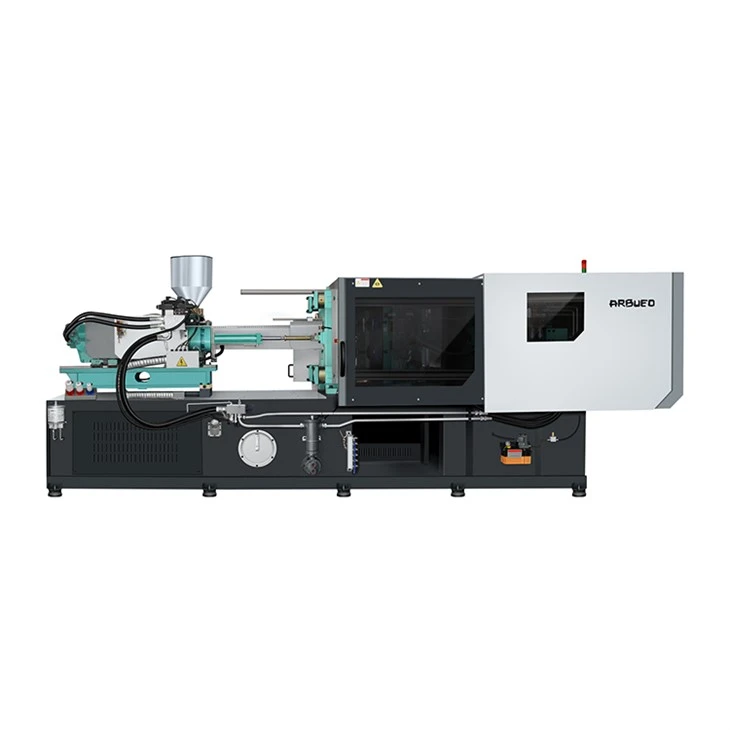

Once the polymer is fully plasticized, the screw moves forward to inject the molten plastic into the mold cavity. The injection speed and pressure are carefully controlled to ensure proper filling of the mold. This step is crucial as it determines the initial shape of the part and the distribution of the polymer within the cavity.
2. Gas Injection
After a certain amount of molten plastic has been injected into the mold cavity, the gas injection system comes into play. Nitrogen gas is the most commonly used gas in this process due to its inert nature and availability.
The gas is injected into the molten plastic through specially designed gas channels or nozzles in the mold. The gas pressure forces the molten plastic to flow further into the mold cavity, filling thin sections and complex geometries that might be difficult to fill with plastic alone. This helps in achieving a more uniform wall thickness and reduces the occurrence of sink marks and warpage.
3. Gas Pressure Holding
Once the gas is injected, it is maintained at a specific pressure for a set period. This pressure holding phase is essential for ensuring that the plastic solidifies in the desired shape. The gas continues to support the plastic, preventing it from collapsing or deforming as it cools.
During this phase, the gas also displaces the plastic from the core of the part, creating a hollow section. The size and shape of the hollow area can be controlled by adjusting the gas injection pressure, timing, and duration.
4. Gas Venting
After the plastic has solidified sufficiently, the gas is vented from the part. This is typically done through small vents in the mold. Venting the gas allows the part to be easily ejected from the mold without any residual gas pressure that could cause damage to the part or the mold.
5. Part Ejection
Once the gas is vented and the part has cooled and solidified, the mold opens, and the part is ejected. The ejection system in the Hybrid Injection Moulding Machine uses ejector pins or plates to push the part out of the mold cavity.
Advantages of Gas - Assisted Injection in Hybrid Injection Moulding Machines
1. Weight Reduction
One of the primary advantages of gas-assisted injection is the significant reduction in part weight. By creating hollow sections within the part, the amount of plastic used is reduced without sacrificing the part's strength and functionality. This is particularly beneficial in applications where weight is a critical factor, such as automotive and aerospace industries.
2. Improved Surface Finish
Gas-assisted injection helps in achieving a smoother surface finish on the part. Since the gas supports the plastic during the cooling process, it reduces the formation of sink marks and other surface defects that are common in traditional injection molding.
3. Enhanced Structural Integrity
The hollow sections created by gas-assisted injection can actually improve the part's structural integrity. The gas acts as a support during the cooling process, preventing the plastic from shrinking unevenly and causing internal stresses. This results in a part that is more resistant to bending, twisting, and other forms of mechanical stress.
4. Cost Savings
By reducing the amount of plastic used and improving the part's quality, gas-assisted injection can lead to significant cost savings. Fewer raw materials are required, and there is less waste due to reduced scrap rates. Additionally, the improved surface finish and structural integrity can reduce the need for secondary processing operations.
Applications of Gas - Assisted Injection in Hybrid Injection Moulding Machines
Gas-assisted injection molding is widely used in various industries, including automotive, consumer goods, electronics, and medical devices.
In the automotive industry, it is used to produce parts such as instrument panels, door handles, and engine covers. The weight reduction achieved through gas-assisted injection helps in improving fuel efficiency and reducing emissions.
In the consumer goods industry, it is used to manufacture products such as furniture, household appliances, and toys. The improved surface finish and structural integrity make the products more attractive and durable.
In the electronics industry, gas-assisted injection is used to produce parts such as computer housings and mobile phone casings. The ability to create complex geometries with thin walls is particularly useful in this industry.
In the medical device industry, it is used to manufacture parts such as syringes, surgical instruments, and diagnostic equipment. The high precision and quality of the parts produced through gas-assisted injection are essential in this industry.
Our Hybrid Injection Moulding Machines
As a supplier of Hybrid Injection Moulding Machines, we offer a range of machines that are specifically designed for gas-assisted injection molding. Our machines are equipped with advanced control systems that allow for precise control of the plasticizing, injecting, gas injection, and pressure holding processes.
We also provide comprehensive after-sales support, including installation, training, and maintenance services. Our team of experts is always available to assist our customers in optimizing their gas-assisted injection molding processes and achieving the best possible results.
If you are interested in learning more about our Hybrid Injection Moulding Machines or the gas-assisted injection process, please visit our website to explore our product range. You can find more information about our Horizontal Hydraulic Injection Molding Machine, Hydraulic Clamping Injection Molding Machine, and Hydraulic Rubber Moulding Machine.
We invite you to contact us to discuss your specific requirements and start a procurement negotiation. Our goal is to provide you with the best solutions for your injection molding needs.
References
- Throne, J. L. (1996). Plastics Process Engineering. Hanser Publishers.
- Osswald, T. A., & Turng, L. - S. (2003). Injection Molding Handbook. Hanser Gardner Publications.
- Beaumont, J. P. (2003). Gas - Assisted Injection Molding: Principles and Practice. Hanser Gardner Publications.