


As a supplier of Tabletop Injection Molding Machines, I am often asked about the mechanical structure of these fascinating pieces of equipment. In this blog post, I will delve into the details of the mechanical structure of a tabletop injection molding machine, explaining its key components and how they work together to create high-quality plastic products.
Overall Structure
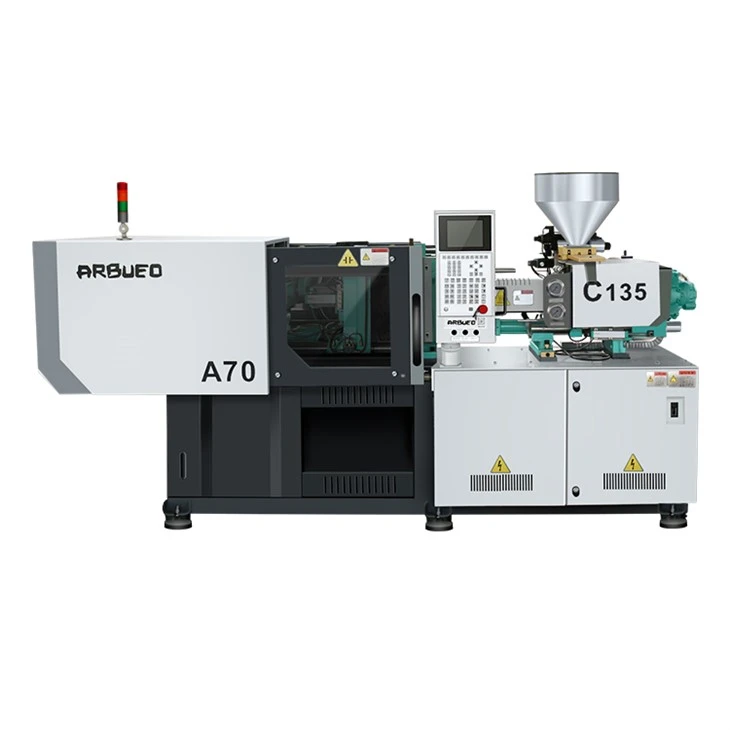
A tabletop injection molding machine is a compact and versatile device designed for small-scale production or prototyping. It typically consists of three main parts: the injection unit, the clamping unit, and the control system. Each part plays a crucial role in the injection molding process, ensuring that the machine operates efficiently and produces consistent results.
Injection Unit
The injection unit is responsible for melting and injecting the plastic material into the mold. It consists of several key components, including the hopper, the barrel, the screw, and the nozzle.
- Hopper: The hopper is a container that holds the plastic pellets or granules. It is usually located at the top of the injection unit and feeds the plastic material into the barrel.
- Barrel: The barrel is a heated cylinder that houses the screw. It is where the plastic material is melted and mixed before being injected into the mold. The barrel is typically made of high-quality steel and is equipped with heating bands to maintain the desired temperature.
- Screw: The screw is a rotating shaft that pushes the plastic material through the barrel. It is designed to melt and mix the plastic material as it moves along the barrel. The screw is usually made of high-strength steel and has a special design to ensure efficient melting and mixing.
- Nozzle: The nozzle is the end of the injection unit that connects to the mold. It is responsible for injecting the molten plastic material into the mold cavity. The nozzle is usually made of high-temperature-resistant material and has a small opening to control the flow of the plastic material.
Clamping Unit
The clamping unit is responsible for holding the mold in place during the injection molding process. It consists of several key components, including the fixed platen, the moving platen, the tie bars, and the hydraulic system.
- Fixed Platen: The fixed platen is a stationary part of the clamping unit that holds one half of the mold. It is usually made of high-strength steel and is bolted to the machine frame.
- Moving Platen: The moving platen is a movable part of the clamping unit that holds the other half of the mold. It is connected to the hydraulic system and moves back and forth to open and close the mold.
- Tie Bars: The tie bars are long, threaded rods that connect the fixed platen and the moving platen. They provide the necessary force to hold the mold closed during the injection molding process.
- Hydraulic System: The hydraulic system is responsible for providing the force to open and close the mold and to hold it closed during the injection molding process. It consists of a hydraulic pump, a hydraulic cylinder, and a control valve.
Control System
The control system is responsible for controlling the operation of the injection molding machine. It consists of several key components, including the control panel, the programmable logic controller (PLC), and the sensors.
- Control Panel: The control panel is the interface between the operator and the injection molding machine. It allows the operator to set the operating parameters, such as the temperature, the pressure, and the injection speed.
- Programmable Logic Controller (PLC): The PLC is a computerized control system that controls the operation of the injection molding machine. It receives input from the sensors and uses this information to control the various components of the machine.
- Sensors: The sensors are used to monitor the operating parameters of the injection molding machine, such as the temperature, the pressure, and the position of the moving parts. They provide feedback to the PLC, which uses this information to adjust the operation of the machine.
Working Principle
The working principle of a tabletop injection molding machine is relatively simple. First, the plastic material is loaded into the hopper and fed into the barrel. The barrel is heated to the appropriate temperature, and the screw rotates to melt and mix the plastic material. Once the plastic material is melted, the screw moves forward to inject the molten plastic material into the mold cavity through the nozzle. The mold is held closed by the clamping unit, and the plastic material is allowed to cool and solidify. Finally, the mold is opened, and the finished product is ejected from the mold.
Advantages of Tabletop Injection Molding Machines
Tabletop injection molding machines offer several advantages over traditional injection molding machines. Some of the key advantages include:
- Compact Size: Tabletop injection molding machines are much smaller and more compact than traditional injection molding machines. They can be easily placed on a table or workbench, making them ideal for small-scale production or prototyping.
- Low Cost: Tabletop injection molding machines are generally less expensive than traditional injection molding machines. They require less space and less energy to operate, which can result in significant cost savings.
- Easy to Use: Tabletop injection molding machines are relatively easy to use and operate. They typically come with a user-friendly control panel and can be programmed to perform a variety of injection molding tasks.
- Versatile: Tabletop injection molding machines can be used to produce a wide variety of plastic products, including small parts, prototypes, and custom-made items. They can also be used with a variety of plastic materials, such as ABS, PVC, and polypropylene.
Applications of Tabletop Injection Molding Machines
Tabletop injection molding machines are used in a wide variety of industries, including automotive, electronics, medical, and consumer products. Some of the common applications of tabletop injection molding machines include:

- Prototyping: Tabletop injection molding machines are often used to produce prototypes of new products. They allow designers and engineers to quickly and easily test their ideas and make changes before mass production.
- Small-Scale Production: Tabletop injection molding machines are ideal for small-scale production of plastic parts. They can be used to produce a limited number of parts quickly and cost-effectively.
- Custom-Made Products: Tabletop injection molding machines can be used to produce custom-made plastic products. They allow manufacturers to create unique products that meet the specific needs of their customers.
Conclusion
In conclusion, the mechanical structure of a tabletop injection molding machine is a complex and sophisticated system that consists of several key components. The injection unit, the clamping unit, and the control system work together to ensure that the machine operates efficiently and produces high-quality plastic products. Tabletop injection molding machines offer several advantages over traditional injection molding machines, including compact size, low cost, easy to use, and versatile. They are used in a wide variety of industries and applications, including prototyping, small-scale production, and custom-made products.
If you are interested in purchasing a tabletop injection molding machine, please contact us for more information. We are a leading supplier of Cnc Injection Molding Machine, Mini Plastic Injection Molding Machine, and 450-ton horizontal hydraulic injection molding machine. Our team of experts can help you choose the right machine for your needs and provide you with the support and service you need to ensure your success.
References
- "Injection Molding Machine Handbook" by Dominik König
- "Plastic Injection Molding: Principles and Practice" by John Beaumont