


In the world of plastic manufacturing, plastic injection machines play a pivotal role. One of the most crucial parameters in the operation of these machines is the injection pressure. As a seasoned supplier of Plastic Injection Machines, I've witnessed firsthand how understanding and controlling injection pressure can significantly impact the quality and efficiency of plastic production. In this blog, I'll delve into what injection pressure is, its importance, how it's determined, and its influence on the final product.
What is Injection Pressure?
Injection pressure refers to the force exerted by the screw of a plastic injection machine to push the molten plastic material into the mold cavity. It is measured in units of force per unit area, typically in megapascals (MPa) or pounds per square inch (psi). When the plastic pellets are heated and melted in the barrel of the injection machine, the screw moves forward, acting like a piston to force the molten plastic through the nozzle and into the mold. The pressure required to achieve this flow is the injection pressure.
Why is Injection Pressure Important?
The significance of injection pressure cannot be overstated. Firstly, it directly affects the filling of the mold cavity. If the injection pressure is too low, the molten plastic may not fully fill the mold, resulting in incomplete parts with short - shots. These defective parts are often unusable and lead to increased production costs due to waste.
Secondly, injection pressure impacts the density and strength of the final plastic product. Adequate pressure ensures that the plastic molecules are packed closely together, enhancing the mechanical properties of the part. Insufficient pressure can cause voids or air pockets within the plastic, weakening the product and reducing its overall quality.
Moreover, the surface finish of the plastic part is also influenced by injection pressure. Higher pressures can help the plastic conform better to the surface details of the mold, resulting in a smoother and more precise finish.
Determining the Right Injection Pressure
Several factors need to be considered when determining the appropriate injection pressure for a specific plastic injection process.
Plastic Material
Different plastic materials have different viscosities. High - viscosity plastics, such as polycarbonate, require higher injection pressures to flow into the mold compared to low - viscosity plastics like polyethylene. The molecular structure and melting characteristics of the plastic also play a role. For example, semi - crystalline plastics may need specific pressure profiles during injection to achieve optimal crystallization and part properties.
Mold Design
The complexity of the mold design significantly affects the required injection pressure. Molds with thin walls, long flow paths, or intricate geometries demand higher pressures to ensure complete filling. Additionally, the number of cavities in a multi - cavity mold can impact the pressure distribution. If the cavities are not balanced properly, uneven filling may occur, and higher pressures may be needed to compensate.
Machine Specifications
The capabilities of the plastic injection machine itself are a limiting factor. The maximum injection pressure that a machine can generate is determined by its hydraulic or mechanical system. When selecting a machine for a particular application, it's essential to ensure that its pressure capacity is sufficient for the required process. For instance, if you're working on a project that requires high - pressure injection, you might consider a Horizontal Hydraulic Injection Molding Machine which is known for its ability to generate relatively high pressures.
Temperature
The temperature of the molten plastic and the mold also affects the injection pressure. Higher temperatures generally reduce the viscosity of the plastic, allowing it to flow more easily and potentially requiring lower injection pressures. However, extreme temperatures can also cause degradation of the plastic material, so a careful balance must be maintained.
Influence of Machine Type on Injection Pressure
There are various types of plastic injection machines, and each has its characteristics regarding injection pressure.
Hydraulic Injection Machines
Hydraulic injection machines are widely used in the industry. They use a hydraulic system to generate the force required for injection. These machines can generate high injection pressures, making them suitable for a wide range of plastic materials and mold designs. The Hydraulic Clamping Injection Molding Machine is an example of a hydraulic - based machine that can provide the necessary force to fill complex molds.
Hybrid Injection Moulding Machines
Hybrid machines combine the advantages of hydraulic and electric systems. They offer precise control over the injection process and can adjust the injection pressure more accurately. The Hybrid Injection Moulding Machine is a popular choice for applications that require high - precision parts with consistent quality.

Electric Injection Machines
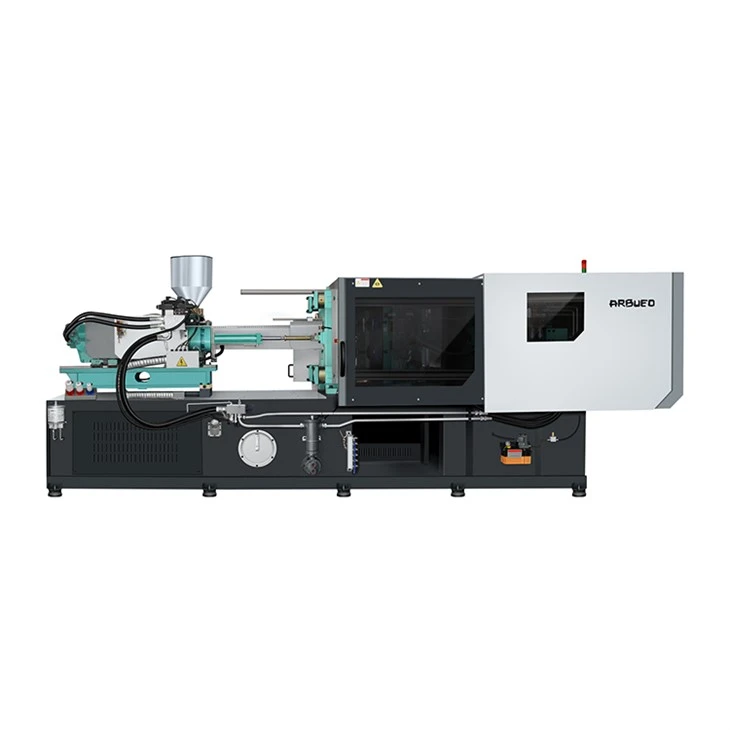
Electric injection machines use electric motors to drive the screw for injection. They are known for their energy efficiency and high - speed operation. While they may not generate as high pressures as hydraulic machines in some cases, they can still provide sufficient pressure for many plastic injection applications, especially those involving low - to medium - viscosity plastics.
Controlling Injection Pressure
Modern plastic injection machines are equipped with advanced control systems that allow for precise regulation of injection pressure. These systems can monitor and adjust the pressure in real - time during the injection process.
The injection pressure is typically set in stages. The initial stage, known as the filling stage, requires a relatively high pressure to quickly fill the mold cavity. Once the cavity is almost full, the pressure is reduced to a holding pressure to pack the plastic and compensate for shrinkage as the plastic cools.
Some machines also offer the option of pressure profiling, where the injection pressure can be varied at different points during the filling process. This allows for more precise control over the flow of the plastic and can optimize the quality of the final product.
The Role of the Supplier in Injection Pressure Optimization
As a Plastic Injection Machine supplier, we play a crucial role in helping our customers optimize injection pressure. We offer in - depth consultations to understand the specific requirements of their plastic injection projects. Our team of experts can assist in selecting the right machine based on the plastic material, part design, and production volume.
We also provide training and support to our customers on how to operate the machines effectively, including setting and adjusting the injection pressure. By sharing our industry knowledge and experience, we aim to help our customers achieve high - quality plastic products with maximum efficiency.
Conclusion
Injection pressure is a fundamental parameter in the plastic injection process. It has a profound impact on the quality, strength, and appearance of the final plastic product. Determining the right injection pressure requires a careful consideration of multiple factors, including the plastic material, mold design, and machine type.
As a leading supplier of Plastic Injection Machines, we are committed to providing our customers with the best - in - class machines and support services. Whether you are looking for a Horizontal Hydraulic Injection Molding Machine, a Hybrid Injection Moulding Machine, or a Hydraulic Clamping Injection Molding Machine, we have the expertise to meet your needs.
If you are interested in improving your plastic injection process or are in the market for a new plastic injection machine, we invite you to contact us for a consultation. Our team of professionals is ready to assist you in finding the perfect solution for your business.
References
- "Injection Molding Handbook" by O. Kröger
- "Plastics Materials and Processing" by James F. Carley
- Industry research reports on plastic injection molding technologies.