


In the realm of polyurethane (PU) injection molding, the injection speed stands as a critical parameter that significantly influences the quality of the final products. As a seasoned supplier of Pu Injection Moulding Machines, I have witnessed firsthand the profound impact that injection speed can have on the manufacturing process and the resulting product characteristics. In this blog post, I will delve into the various aspects of how injection speed affects product quality, drawing on both theoretical knowledge and practical experience.
Understanding the Basics of PU Injection Molding
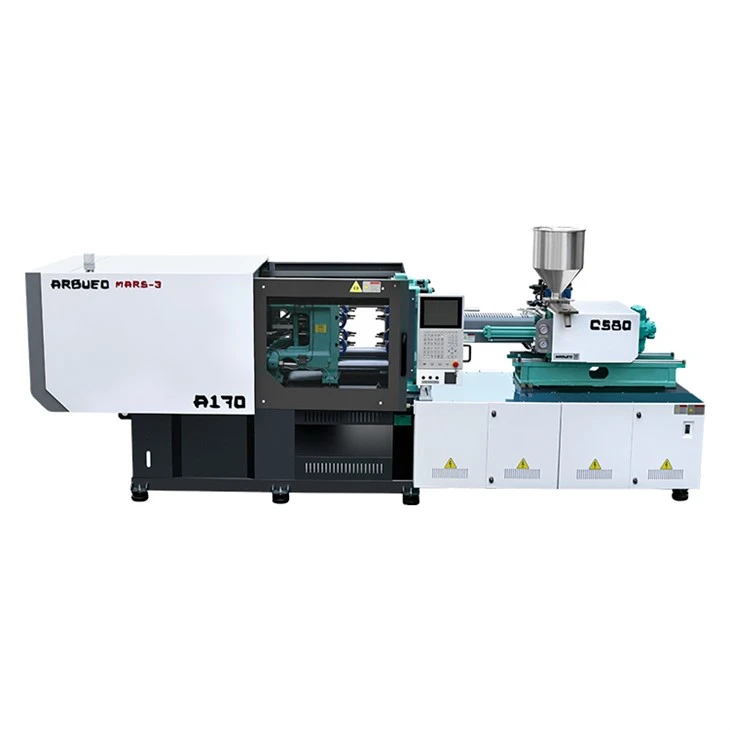
Before we explore the impact of injection speed, it's essential to have a basic understanding of how a Pu Injection Moulding Machine operates. In this process, liquid polyurethane components are mixed and then injected into a mold cavity under pressure. Once inside the mold, the polyurethane undergoes a chemical reaction, curing and solidifying to take the shape of the mold. The quality of the final product depends on a multitude of factors, including the material properties, mold design, and processing parameters such as injection speed, pressure, and temperature.
The Role of Injection Speed
Injection speed refers to the rate at which the liquid polyurethane is forced into the mold cavity. It is typically measured in cubic centimeters per second (cc/s) or inches per second (in/s). The injection speed can be adjusted on most modern Pu Injection Moulding Machines, allowing manufacturers to optimize the process for different applications and materials.
1. Filling of the Mold Cavity
One of the primary functions of injection speed is to ensure proper filling of the mold cavity. If the injection speed is too slow, the polyurethane may not flow evenly throughout the mold, leading to incomplete filling, short shots, or air traps. Short shots occur when the mold is not completely filled with the material, resulting in a part that is missing sections or has thin walls. Air traps, on the other hand, can cause voids or bubbles in the finished product, which can compromise its strength and appearance.
Conversely, if the injection speed is too fast, the polyurethane may flow too rapidly into the mold, causing turbulence and excessive shear forces. This can lead to issues such as flash, where the material leaks out of the mold cavity and forms thin, unwanted edges on the part. Flash not only affects the aesthetics of the product but also requires additional post - processing steps to remove, increasing production costs and time.
2. Material Mixing and Reaction
Injection speed also plays a crucial role in the mixing and reaction of the polyurethane components. When the two or more liquid components are mixed and injected into the mold, they need to be thoroughly blended to ensure a uniform chemical reaction. A proper injection speed helps to achieve this by providing enough shear force to mix the components effectively.
If the injection speed is too slow, the components may not be mixed adequately, resulting in uneven curing and inconsistent material properties. This can lead to variations in hardness, density, and strength across the part. On the other hand, an excessively high injection speed can cause the reaction to occur too quickly, leading to premature curing and a less - than - optimal molecular structure.
3. Surface Finish
The injection speed can have a significant impact on the surface finish of the final product. A slow injection speed may allow the polyurethane to flow smoothly over the mold surface, resulting in a high - quality, smooth finish. However, if the speed is too slow, the material may start to cool and solidify before filling the entire mold, leading to a rough or uneven surface.
A fast injection speed can sometimes cause the material to splash or splatter inside the mold, creating a rough or pitted surface finish. Additionally, high - speed injection can generate more heat due to increased shear forces, which can also affect the surface quality of the part.
Impact on Product Quality
The effects of injection speed on product quality can be observed in several key areas:
1. Mechanical Properties
The mechanical properties of a PU - molded product, such as its strength, flexibility, and durability, are closely related to the injection speed. A proper injection speed ensures uniform material distribution and a consistent molecular structure, which are essential for optimal mechanical performance.
For example, if the injection speed is too slow, the material may not be fully compacted in the mold, resulting in a lower density and reduced strength. On the other hand, an overly fast injection speed can cause excessive shear forces, which can break the polymer chains and weaken the material.
2. Dimensional Accuracy
Dimensional accuracy is crucial in many applications, especially in industries such as automotive and aerospace. Injection speed can affect the dimensional stability of the product during the molding process. A slow injection speed may allow the material to shrink more as it cools, leading to parts that are smaller than the desired dimensions.
A fast injection speed can cause the material to expand due to the heat generated by shear forces, resulting in parts that are larger than expected. Maintaining an appropriate injection speed is essential for achieving the desired dimensional accuracy and minimizing variations in part size.
3. Aesthetic Appearance
The aesthetic appearance of a PU - molded product is often a critical factor, especially in consumer goods and furniture applications. As mentioned earlier, injection speed can affect the surface finish of the part, including its smoothness, texture, and color uniformity.
A well - controlled injection speed helps to produce parts with a consistent and attractive appearance, free from defects such as voids, bubbles, and flash. This is particularly important for products where the visual appeal is a key selling point, such as Chair Injection Moulding Machine parts and Fruit Basket Injection Molding Machine products.
Optimizing Injection Speed
To achieve the best product quality, it is essential to optimize the injection speed for each specific application. This involves considering several factors, including the material properties, mold design, and part geometry.

1. Material Properties
Different polyurethane materials have different viscosities, curing times, and flow characteristics. Materials with higher viscosities may require a higher injection speed to ensure proper filling of the mold cavity, while materials with lower viscosities may need a slower injection speed to prevent flash and turbulence.
2. Mold Design
The design of the mold, including the size and shape of the cavity, the location of the gates, and the presence of vents, can also affect the optimal injection speed. Complex mold designs with narrow channels or thin walls may require a higher injection speed to ensure complete filling, while simple molds may allow for a slower injection speed.
3. Part Geometry
The geometry of the part being molded, such as its thickness, length, and complexity, also plays a role in determining the injection speed. Parts with thick sections may require a slower injection speed to allow for proper curing, while parts with thin sections may need a faster injection speed to prevent premature solidification.
Conclusion
In conclusion, injection speed is a critical parameter in the PU injection molding process that has a profound impact on the quality of the final products. As a Single Phase Injection Moulding Machine supplier, we understand the importance of providing our customers with machines that offer precise control over injection speed and other processing parameters.
By carefully considering the material properties, mold design, and part geometry, manufacturers can optimize the injection speed to achieve the best possible product quality in terms of mechanical properties, dimensional accuracy, and aesthetic appearance. If you are looking for a reliable Pu Injection Moulding Machine that can help you achieve consistent and high - quality results, please feel free to contact us for more information and to discuss your specific requirements. We are committed to providing you with the best solutions and support to meet your manufacturing needs.
References
- Beaumont, J. P. (2003). Injection Molding Handbook. Hanser Publishers.
- Rosato, D. V., & Rosato, D. V. (2000). Injection Molding Technology. Kluwer Academic Publishers.
- Strong, A. B. (2008). Plastics: Materials and Processing. Pearson Prentice Hall.