


Hey there! As a supplier of Hydraulic Rubber Moulding Machines, I often get asked about the footprint of these machines. So, I thought I'd take a moment to break it down for you.
First off, let's talk about what we mean by "footprint." In the context of a hydraulic rubber moulding machine, the footprint refers to the amount of floor space the machine takes up in a factory or manufacturing facility. It's an important consideration for businesses because space is often at a premium, and you want to make the most efficient use of your available area.
The footprint of a hydraulic rubber moulding machine can vary quite a bit depending on several factors. One of the main factors is the size and capacity of the machine. Larger machines that can handle bigger moulds and produce more parts per cycle generally have a larger footprint. For example, a high - volume production machine designed for large - scale rubber products will need more space to accommodate its larger platens, hydraulic systems, and other components.

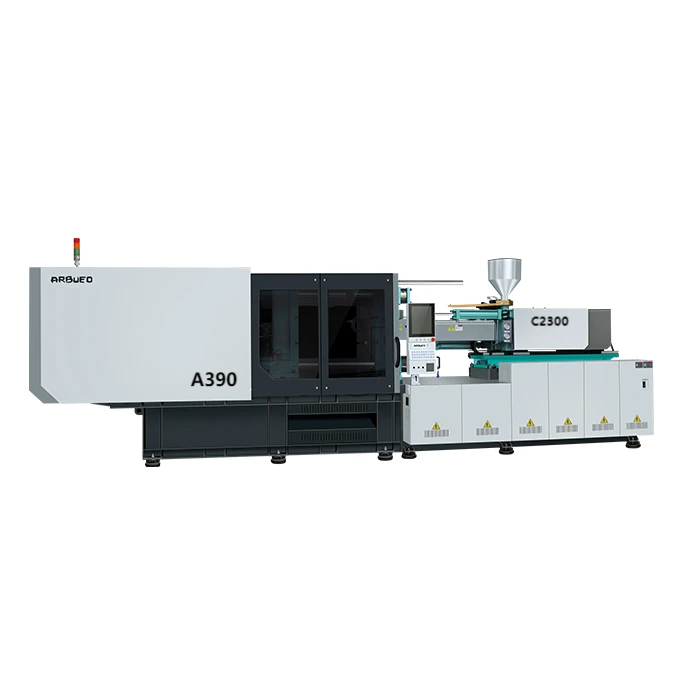
Another factor that affects the footprint is the machine's design. Some machines are designed to be more compact, with a smaller overall shape. These compact designs can be great for smaller factories or facilities where space is limited. On the other hand, some machines may have a more spread - out design to provide better access to different parts of the machine for maintenance and operation.
Let's take a closer look at the different components of a hydraulic rubber moulding machine and how they contribute to the footprint.
Hydraulic System
The hydraulic system is a crucial part of the machine. It provides the force needed to close the mould, inject the rubber, and hold the pressure during the curing process. Hydraulic pumps, cylinders, and valves are all part of this system. The size of the hydraulic system can vary depending on the machine's tonnage. A higher - tonnage machine will typically have a larger hydraulic system, which in turn takes up more space. This means that the footprint of the machine will be affected as the hydraulic components need to be housed within the machine's structure.
Mould Area
The area where the mould is placed is another significant contributor to the footprint. The size of the mould depends on the size of the rubber product you want to manufacture. If you're making small rubber gaskets, the mould will be relatively small, and the corresponding machine can have a smaller footprint. However, if you're producing large rubber mats or automotive parts, the mould will be much larger, and the machine will need to have a bigger mould area. This larger area requires more floor space, increasing the overall footprint of the machine.
Control Panel and Operator Station
The control panel and operator station are also part of the machine's footprint. The control panel is where the operator can set the machine's parameters, such as temperature, pressure, and cycle time. The operator station provides a place for the operator to monitor the machine's operation. Depending on the design, these components can either be integrated into the main machine structure or placed separately. A separate operator station may take up additional space, adding to the overall footprint.
Now, let's talk about why the footprint matters.
For one, as I mentioned earlier, space in a manufacturing facility is often limited. By choosing a machine with an appropriate footprint, you can make better use of your available space. This can lead to cost savings as you may not need to rent or buy a larger facility. Additionally, a well - planned layout with machines that have a suitable footprint can improve the overall workflow in the factory. Workers can move around more easily, and there's less chance of congestion, which can increase productivity.
When it comes to comparing different hydraulic rubber moulding machines, the footprint is an important factor to consider. You might be looking at two machines with similar capabilities, but one has a much smaller footprint. In that case, the smaller - footprint machine could be a better choice, especially if space is a concern.
If you're in the market for a hydraulic rubber moulding machine, you might also be interested in related machines like the Hydraulic Plastic Injection Moulding Machine and the Hydraulic Clamping Injection Molding Machine. These machines have their own footprints and characteristics, and they can be useful for different types of plastic and rubber manufacturing processes. You can click on the links to learn more about them.
As a supplier, I understand that every business has different needs when it comes to machine footprint. That's why we offer a range of hydraulic rubber moulding machines with different footprints to suit various factory sizes and production requirements. Whether you have a small workshop or a large - scale manufacturing plant, we can help you find the right machine for your space and production needs.
If you're thinking about purchasing a hydraulic rubber moulding machine or just want to learn more about our products, I encourage you to get in touch with us. We can have a detailed discussion about your specific requirements, including the available space in your facility, the type of rubber products you want to make, and your production volume. Our team of experts can then recommend the best machine with an appropriate footprint for your business. And don't forget to check out the Hydraulic Clamping Injection Molding Machine for more options.
So, if you're ready to take your rubber manufacturing to the next level, let's start the conversation. Contact us today, and let's find the perfect hydraulic rubber moulding machine for your operation.
References
- General knowledge of hydraulic rubber moulding machine technology and industry standards.
- Experience in supplying and installing hydraulic rubber moulding machines in various manufacturing facilities.