


Hey there! As a supplier of Hydraulic Rubber Moulding Machine, I often get asked about the chemical resistance of products made by these machines. So, I thought I'd share some insights on this topic.
First off, let's understand what chemical resistance means. In simple terms, it's the ability of a rubber product to withstand the effects of various chemicals without undergoing significant deterioration. This is crucial because rubber products are used in a wide range of industries where they come into contact with different types of chemicals.
When it comes to products made by a hydraulic rubber moulding machine, their chemical resistance depends on several factors. One of the most important factors is the type of rubber compound used. Different rubber compounds have different chemical resistance properties.
For example, Nitrile Butadiene Rubber (NBR) is known for its excellent resistance to oils, fuels, and other hydrocarbons. This makes it a popular choice for products like oil seals, gaskets, and O - rings used in automotive and industrial applications. If you're using a hydraulic rubber moulding machine to make these types of products, NBR can be a great option.
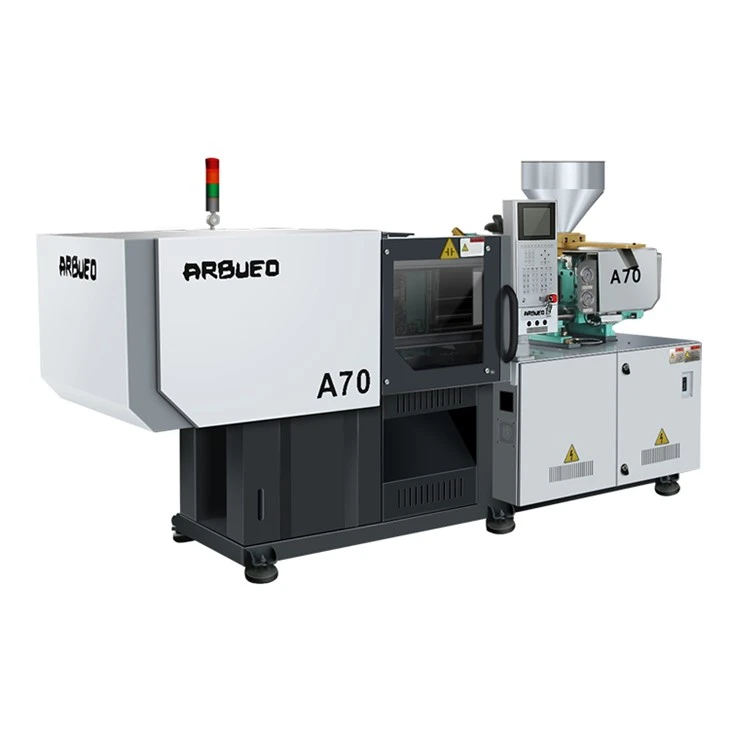

On the other hand, Fluorocarbon rubber (FKM) offers exceptional resistance to a wide range of chemicals, including acids, bases, and solvents. It's often used in harsh chemical environments, such as in the chemical processing industry or in aerospace applications. When you choose the right rubber compound for your hydraulic - moulded products, you can ensure they can handle the chemicals they'll be exposed to.
Another factor is the cross - linking density of the rubber. The cross - linking process, which happens during the moulding in a hydraulic rubber moulding machine, creates a network structure in the rubber. A higher cross - linking density generally leads to better chemical resistance. This is because the tightly - linked molecules are less likely to be attacked by chemicals.
The manufacturing process in the hydraulic rubber moulding machine also plays a role. If the moulding process isn't optimized, it can lead to defects in the rubber product, such as voids or uneven curing. These defects can compromise the chemical resistance of the product. For instance, a void in the rubber can allow chemicals to penetrate more easily, causing faster degradation.
Now, let's talk about how we can test the chemical resistance of products made by a hydraulic rubber moulding machine. One common method is the immersion test. In this test, a sample of the rubber product is immersed in a specific chemical for a set period of time. Then, we measure changes in properties like weight, volume, hardness, and tensile strength.
If the product shows minimal changes in these properties after the immersion test, it indicates good chemical resistance. However, it's important to note that different chemicals can have different effects, so multiple tests may be required depending on the intended application of the product.
We also need to consider the conditions under which the rubber product will be used. Temperature, pressure, and the duration of chemical exposure can all affect the chemical resistance. For example, a rubber product may have good chemical resistance at room temperature but may degrade more quickly at high temperatures.
In addition to the specific applications we've mentioned, there are other industries where the chemical resistance of products made by our hydraulic rubber moulding machines is of great importance. In the food and beverage industry, rubber products need to be resistant to various food - grade chemicals and cleaning agents. We use FDA - compliant rubber compounds to ensure the safety and compliance of these products.
In the medical field, rubber products such as syringe gaskets and stoppers need to have excellent chemical resistance to drugs and other medical fluids. Our hydraulic rubber moulding machines can produce high - quality products that meet the strict standards of the medical industry.
If you're looking for alternative machines, we also offer Hybrid Injection Moulding Machine and Horizontal Hydraulic Injection Molding Machine. These machines can also produce rubber products with good chemical resistance, depending on the rubber compound and processing parameters used.
In conclusion, the chemical resistance of products made by a hydraulic rubber moulding machine is a complex but important topic. It depends on the type of rubber compound, cross - linking density, manufacturing process, and the conditions of use. By understanding these factors, we can produce high - quality rubber products that can withstand the chemical challenges of various industries.
If you're interested in our hydraulic rubber moulding machines or have any questions about the chemical resistance of the products they can make, don't hesitate to reach out. We're here to help you find the best solutions for your business needs. Whether you're in the automotive, chemical processing, food and beverage, or medical industry, we can work with you to develop rubber products with the right chemical resistance properties.
References
- "Rubber Technology Handbook" by Werner Hofmann
- "Handbook of Elastomers" edited by Ibrahim M. Updegraff