


As a seasoned supplier of bottle injection molding machines, I've encountered numerous inquiries about the proper storage requirements for these machines when they're not in use. Ensuring the correct storage of your equipment is crucial for maintaining its performance, extending its lifespan, and safeguarding your investment. In this blog post, I'll delve into the essential storage requirements for bottle injection molding machines, highlighting key considerations to keep in mind.
Cleanliness is Paramount
Before storing your bottle injection molding machine, it's imperative to thoroughly clean it. Remove any residual plastic, lubricants, or debris from the machine's components. Pay special attention to the injection unit, mold clamping unit, and hydraulic system. Use appropriate cleaning agents and tools to ensure a comprehensive clean. Additionally, clean the machine's exterior to prevent dust and dirt buildup. A clean machine is less susceptible to corrosion and damage during storage.
Preventive Maintenance Checks
Conduct a detailed preventive maintenance check before storing the machine. Inspect all moving parts, electrical connections, and hydraulic hoses for signs of wear or damage. Replace any worn-out components or faulty parts to prevent further issues during storage. Lubricate all necessary parts according to the manufacturer's recommendations. This will help reduce friction and prevent rusting. A well-maintained machine is more likely to perform optimally when it's time to resume operations.
Protecting the Electrical Components
Electrical components are sensitive to moisture and dust, which can cause short circuits and other electrical problems. To protect these components during storage, cover the control panel and electrical cabinets with dust covers. Ensure that the covers are made of a breathable material to prevent condensation. If possible, store the machine in a dry environment with low humidity levels. You may also consider using a dehumidifier to maintain a stable moisture level in the storage area.
Securing the Hydraulic System
The hydraulic system is a critical part of the bottle injection molding machine. To prevent damage to the hydraulic system during storage, it's important to take certain precautions. First, drain the hydraulic fluid from the system and store it in a clean, sealed container. This will prevent the fluid from deteriorating and causing damage to the system. Next, flush the hydraulic system with a cleaning fluid to remove any contaminants. Finally, refill the system with fresh hydraulic fluid before putting the machine back into use.

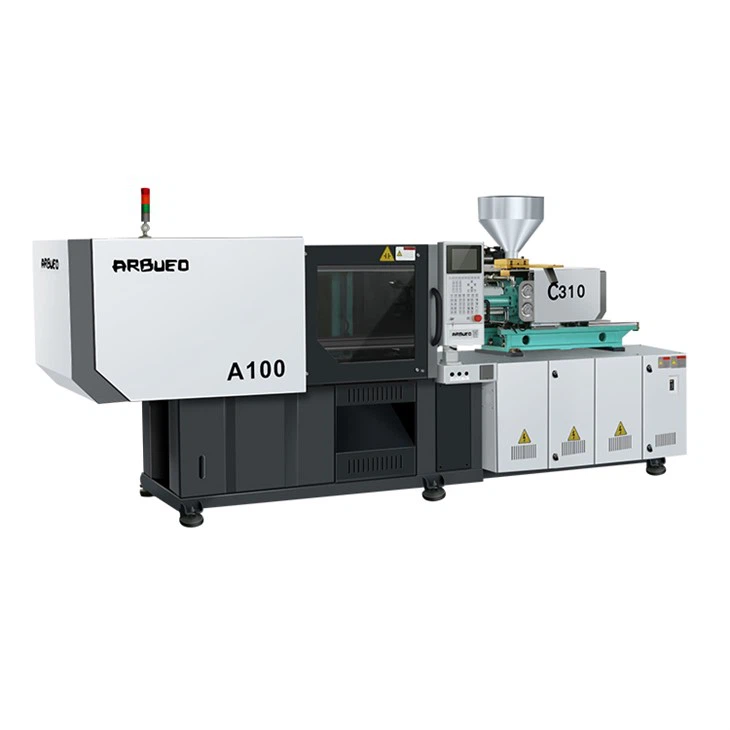
Proper Storage Location
Choosing the right storage location is essential for protecting your bottle injection molding machine. The storage area should be dry, clean, and well-ventilated. Avoid storing the machine in areas prone to flooding, extreme temperatures, or high humidity. If possible, store the machine indoors to protect it from the elements. If outdoor storage is necessary, cover the machine with a waterproof tarp to shield it from rain and snow.
Storage Position
The position in which you store the bottle injection molding machine can also affect its condition. It's recommended to store the machine in an upright position to prevent any damage to the internal components. If the machine needs to be stored horizontally, ensure that it's properly supported to prevent any bending or warping. Additionally, make sure that the machine is level to prevent any uneven stress on the components.
Regular Inspections
Even during storage, it's important to conduct regular inspections of the bottle injection molding machine. Check for any signs of damage, corrosion, or pest infestation. Inspect the covers and seals to ensure that they're still in good condition. If any issues are detected, address them promptly to prevent further damage. Regular inspections will help you identify and resolve any potential problems before they become major issues.
Documentation
Keep detailed records of the machine's storage, including the date of storage, the condition of the machine at the time of storage, and any maintenance or repairs performed. This documentation will be useful for future reference and can help you track the machine's history. It can also be valuable if you need to provide information to potential buyers or insurance companies.
Conclusion
Proper storage of a bottle injection molding machine is essential for maintaining its performance, extending its lifespan, and protecting your investment. By following the storage requirements outlined in this blog post, you can ensure that your machine remains in optimal condition during periods of non-use. Remember to clean the machine thoroughly, conduct preventive maintenance checks, protect the electrical and hydraulic components, choose the right storage location, store the machine in the correct position, conduct regular inspections, and keep detailed documentation.
If you're in the market for a high-quality 330-ton horizontal hydraulic injection molding machine, a Toy Injection Molding Machine, or a 450-ton horizontal hydraulic injection molding machine, we're here to help. Our team of experts can assist you in selecting the right machine for your needs and provide you with comprehensive support and guidance. Contact us today to start a procurement discussion and take the next step towards enhancing your manufacturing capabilities.
References
- Manufacturer's manual for bottle injection molding machines
- Industry best practices for equipment storage
- Technical literature on injection molding machine maintenance