


Plastic injection machines are widely used in the manufacturing industry to produce a vast array of plastic products. As a supplier of plastic injection machines, I am acutely aware of the significance of understanding their environmental impacts. This blog post aims to delve into the various environmental aspects associated with plastic injection machines, from raw material consumption to waste generation and energy usage.
Raw Material Consumption
One of the primary environmental concerns related to plastic injection machines is the consumption of raw materials, mainly plastic resins. These resins are derived from petrochemicals, which are non - renewable resources. The extraction and processing of petrochemicals have significant environmental impacts, including habitat destruction, water pollution, and greenhouse gas emissions.
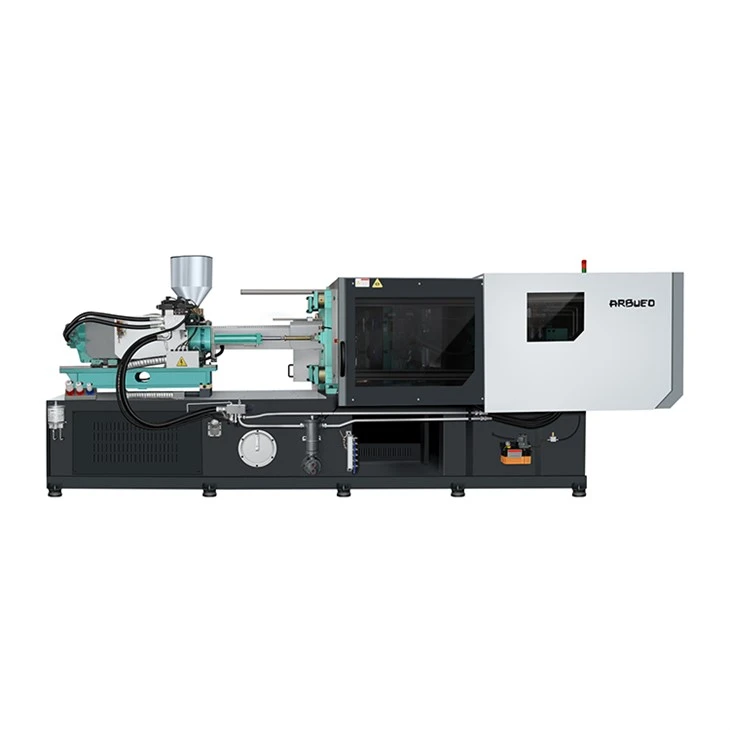
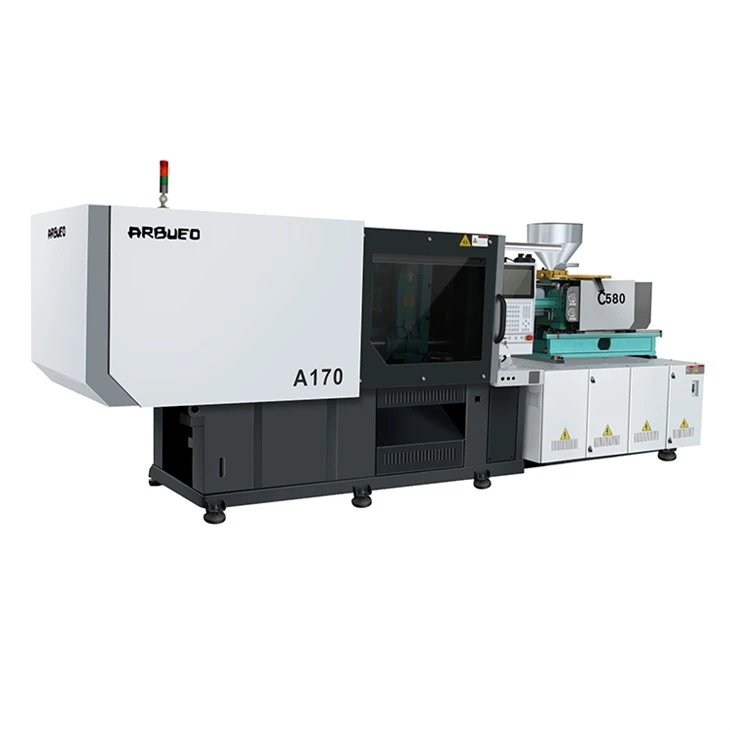
When plastic injection machines are in operation, they require a continuous supply of plastic resins to produce products. The demand for these resins contributes to the ever - increasing exploitation of fossil fuels. Moreover, different types of plastic resins have different environmental footprints. For example, polyvinyl chloride (PVC) production involves the use of chlorine, which can release toxic dioxins during manufacturing and disposal.
As a supplier, we are constantly exploring ways to reduce the raw material consumption of our machines. Some of our advanced models, such as the Hybrid Injection Moulding Machine, are designed to optimize the use of plastic resins. These machines use a combination of hydraulic and electric technologies, which allows for more precise control of the injection process. This precision ensures that less plastic is wasted during production, thereby reducing the overall consumption of raw materials.
Energy Usage
Plastic injection machines are energy - intensive equipment. The process of melting plastic resins, injecting them into molds, and cooling the products requires a significant amount of energy. Most of the energy is consumed by the heating elements, hydraulic systems, and motors.
The energy source used by these machines also matters. If the electricity is generated from fossil fuels, such as coal or natural gas, the operation of plastic injection machines will contribute to greenhouse gas emissions. In regions where renewable energy sources like solar, wind, or hydroelectric power are available, the environmental impact can be reduced.
Our company is committed to developing energy - efficient plastic injection machines. The Hydraulic Clamping Injection Molding Machine in our product line features advanced hydraulic systems that are designed to minimize energy losses. These systems use variable - displacement pumps, which adjust the flow rate according to the actual demand, reducing unnecessary energy consumption. Additionally, our machines are equipped with high - efficiency heating elements that can quickly and evenly heat the plastic resins, further saving energy.
Waste Generation
Waste generation is another significant environmental issue associated with plastic injection machines. During the production process, there are several sources of waste. Firstly, there are production scraps, such as sprue, runners, and defective parts. These scraps are often made of plastic and can accumulate in large quantities if not properly managed.
Secondly, at the end of the product's life cycle, the plastic products produced by these machines may end up in landfills or as litter in the environment. Plastic waste takes hundreds of years to decompose, and it can cause serious harm to wildlife and ecosystems. For example, marine animals may mistake plastic debris for food, leading to ingestion and entanglement.
To address the issue of waste generation, we encourage our customers to implement recycling programs for production scraps. Our machines are designed to make it easier to separate and collect these scraps. Additionally, we are researching and developing technologies that can use recycled plastic resins as raw materials. The Horizontal Hydraulic Injection Molding Machine has the potential to process recycled plastics more effectively, reducing the demand for virgin plastic resins.
Air and Water Pollution
The operation of plastic injection machines can also lead to air and water pollution. During the melting process, some plastic resins may release volatile organic compounds (VOCs) into the air. These VOCs can have adverse health effects on workers and contribute to air pollution. Proper ventilation systems are required to remove these pollutants from the working environment.
In addition, the cooling water used in plastic injection machines may contain contaminants such as oil, grease, and plastic particles. If this water is discharged without proper treatment, it can pollute water bodies. Our company provides guidelines and support to our customers on how to install effective air and water treatment systems to minimize these pollution risks.
Noise Pollution
Plastic injection machines can generate significant noise during operation. The noise comes from various sources, such as the hydraulic pumps, motors, and the movement of mechanical parts. Prolonged exposure to high - level noise can cause hearing loss and other health problems for workers. To reduce noise pollution, we have incorporated noise - reduction technologies into our machines. For example, we use sound - insulating materials to enclose the noisy components and design the mechanical parts to operate more smoothly.
Sustainable Solutions and Future Outlook
As a plastic injection machine supplier, we recognize our responsibility in promoting environmental sustainability. We are continuously investing in research and development to improve the environmental performance of our machines. Some of the future directions include:
- Biodegradable Plastics: We are exploring the compatibility of our machines with biodegradable plastics. These plastics can break down naturally in the environment, reducing the long - term impact of plastic waste.
- Smart Manufacturing: By integrating advanced sensors and control systems into our machines, we can optimize the production process in real - time. This will further reduce energy consumption, raw material waste, and environmental pollution.
- Circular Economy: We aim to support our customers in implementing circular economy models. This includes promoting the reuse and recycling of plastic products and materials, and designing machines that can easily process recycled plastics.
Conclusion
In conclusion, plastic injection machines have several environmental impacts, including raw material consumption, energy usage, waste generation, air and water pollution, and noise pollution. However, through technological innovation and sustainable practices, these impacts can be minimized. As a supplier, we are dedicated to providing our customers with high - quality, environmentally friendly plastic injection machines.
If you are interested in learning more about our products and how they can help you reduce your environmental footprint while achieving efficient production, please feel free to contact us for a detailed discussion. We are eager to work with you to find the best solutions for your manufacturing needs.
References
- European Plastic Converters. (2022). Environmental Performance of the Plastics Processing Industry.
- United Nations Environment Programme. (2021). Single - Use Plastics: A Roadmap for Sustainability.
- International Energy Agency. (2020). Energy Efficiency in the Manufacturing Sector.