


As a reputable supplier of Chair Injection Moulding Machines, I understand the critical importance of preventing overheating in these machines. Overheating can lead to a multitude of issues, including reduced machine lifespan, poor product quality, and even safety hazards. In this blog post, I will share some effective strategies on how to prevent the overheating of a chair injection moulding machine.
Understanding the Causes of Overheating
Before we delve into the prevention methods, it's essential to understand the common causes of overheating in chair injection moulding machines. These causes can be broadly categorized into mechanical, electrical, and operational factors.
Mechanical factors include issues such as worn-out bearings, misaligned belts, and improper lubrication. These problems can increase friction within the machine, generating excessive heat. Electrical factors, on the other hand, may involve faulty wiring, overloaded circuits, or malfunctioning motors. These electrical issues can lead to increased power consumption and heat generation.
Operational factors are often related to how the machine is used. For example, running the machine at high speeds for extended periods without proper breaks can cause overheating. Additionally, using the wrong type of raw materials or incorrect processing parameters can also contribute to excessive heat buildup.
Regular Maintenance and Inspection
One of the most effective ways to prevent overheating is through regular maintenance and inspection. This includes checking and replacing worn-out parts, such as bearings and belts, on a regular basis. Proper lubrication is also crucial to reduce friction and heat generation. Make sure to use the recommended lubricants and follow the manufacturer's guidelines for lubrication intervals.
In addition to mechanical components, it's also important to inspect the electrical system regularly. Check for any signs of loose connections, frayed wires, or overheating components. If you notice any issues, have them repaired immediately by a qualified electrician.
Cooling Systems
Another key aspect of preventing overheating is the proper functioning of the cooling system. Chair injection moulding machines typically have a cooling system that helps dissipate heat generated during the injection process. This cooling system can be either water-cooled or air-cooled.

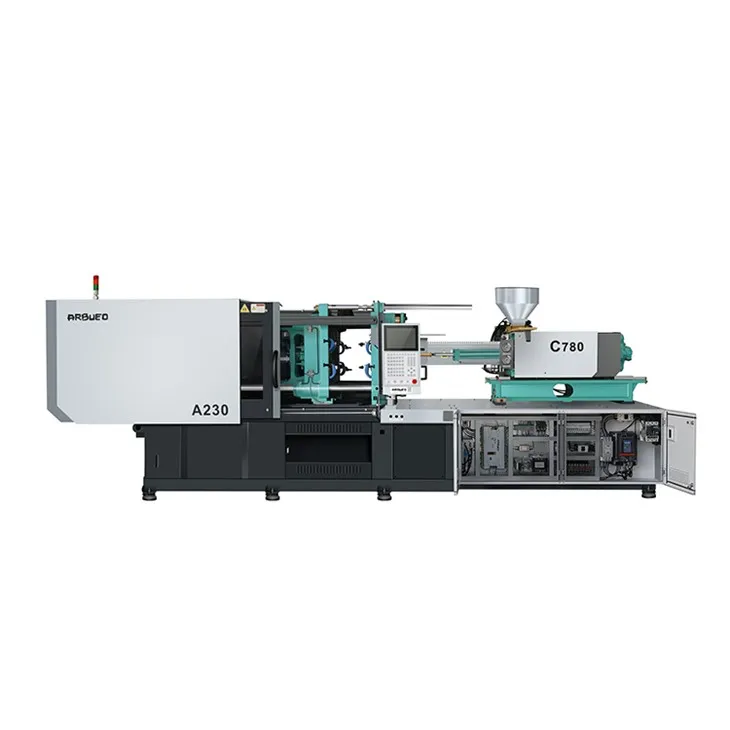
For water-cooled systems, it's important to ensure a constant supply of clean, cool water. Regularly check the water level and the condition of the cooling pipes for any leaks or blockages. If the water quality is poor, it can lead to the buildup of scale and sediment in the cooling system, reducing its efficiency. Consider using a water treatment system to maintain the quality of the cooling water.
Air-cooled systems rely on fans to circulate air and dissipate heat. Make sure the fans are clean and functioning properly. Check for any obstructions in the air vents that may prevent proper air circulation. If necessary, clean the fans and air vents regularly to ensure optimal cooling performance.
Monitoring and Control
Implementing a monitoring and control system is essential to detect and prevent overheating in real-time. Modern chair injection moulding machines are often equipped with temperature sensors that can monitor the temperature of critical components, such as the barrel, the mold, and the hydraulic system.
Set up appropriate temperature limits for these components and configure the machine to automatically shut down or adjust the operating parameters if the temperature exceeds the set limits. This can help prevent damage to the machine and ensure the quality of the products being produced.
In addition to temperature monitoring, it's also important to monitor other operating parameters, such as pressure, speed, and cycle time. These parameters can have a significant impact on the heat generation within the machine. By maintaining optimal operating conditions, you can reduce the risk of overheating.
Operator Training
Proper operator training is crucial to prevent overheating caused by incorrect operation. Train your operators on the correct use of the chair injection moulding machine, including how to set the appropriate processing parameters, how to monitor the machine's performance, and how to respond to any signs of overheating.
Make sure operators understand the importance of following the recommended operating procedures and taking regular breaks to allow the machine to cool down. Encourage them to report any abnormal conditions or issues immediately so that they can be addressed promptly.
Choosing the Right Machine
When selecting a chair injection moulding machine, it's important to choose a machine that is suitable for your specific production requirements. Consider factors such as the size and complexity of the chairs you need to produce, the production volume, and the operating environment.
A machine that is too small or underpowered for your production needs may be forced to operate at high speeds and loads, increasing the risk of overheating. On the other hand, a machine that is too large or overpowered can be inefficient and may also lead to overheating if not used properly.
Conclusion
Preventing the overheating of a chair injection moulding machine is essential for ensuring its long-term reliability, product quality, and operator safety. By implementing regular maintenance and inspection, maintaining a proper cooling system, monitoring and controlling the operating parameters, providing operator training, and choosing the right machine, you can significantly reduce the risk of overheating.
If you are in the market for a high-quality Chair Injection Moulding Machine, we offer a wide range of Hot Runner Injection Molding Machine, Pu Injection Moulding Machine, and Injection Molding Machine for PET Bottles. Our machines are designed with advanced technology and high-quality components to ensure optimal performance and reliability.
If you have any questions or would like to discuss your specific requirements, please feel free to contact us. We look forward to working with you to meet your injection moulding needs.
References
- "Injection Molding Handbook" by O. Osswald, T. Turng, and P. Gramann.
- "Plastics Processing Technology" by J. F. Manley.
- Manufacturer's manuals and technical documentation for chair injection moulding machines.