


Hey there! I'm a supplier of high-speed injection molding machines, and I know how crucial energy efficiency is in today's manufacturing world. Not only does it save costs, but it also helps us be more environmentally friendly. So, let's dive into how we can improve the energy efficiency of these machines.
1. Optimize the Machine Design
First off, the design of the high-speed injection molding machine plays a huge role in its energy consumption. Modern machines are being designed with energy efficiency in mind. For example, using lightweight materials for the moving parts can reduce the amount of energy needed to move them. Also, the layout of the machine should be such that the flow of materials and the movement of components are as smooth as possible.
One aspect of design is the hydraulic system. Traditional hydraulic systems can be energy - hogs. Newer machines often use servo - hydraulic systems. These systems adjust the pump speed according to the actual demand of the machine. So, when the machine doesn't need a lot of power, the pump runs at a lower speed, saving energy. For instance, if the injection process requires a high pressure for a short period and then only needs a low - pressure hold, the servo - hydraulic system can adapt accordingly.

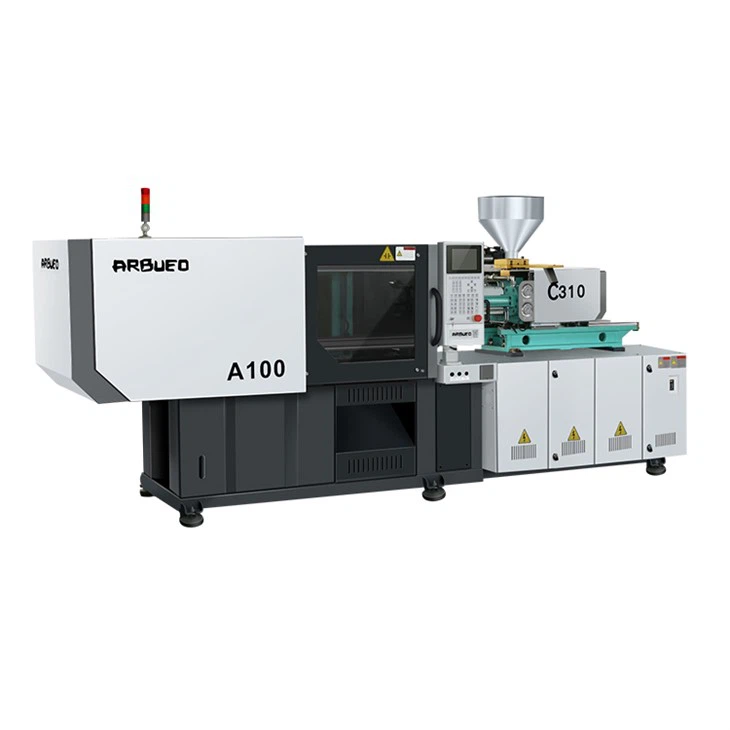
2. Proper Maintenance
Regular maintenance is a no - brainer when it comes to energy efficiency. A well - maintained machine runs more smoothly and uses less energy. Start with the heating elements. Over time, these elements can become less efficient. Check them regularly and replace any that are worn out. A faulty heating element might have to work harder to reach and maintain the required temperature, which means more energy consumption.
The mold is another critical part. Make sure the mold is clean and in good condition. A dirty or damaged mold can cause the machine to work harder during the injection and ejection processes. For example, if there are blockages in the mold cavities, the machine will need to apply more pressure to fill them, using extra energy. Also, lubricate all the moving parts as recommended by the manufacturer. This reduces friction, which in turn reduces the energy needed to move the parts.
3. Process Optimization
The injection molding process itself can be fine - tuned to save energy. One key factor is the injection speed and pressure. Set these parameters carefully. If the speed is too high or the pressure is too much, the machine will use more energy than necessary. On the other hand, if they are too low, the part might not be formed correctly, leading to rework and more energy consumption in the long run.
The cooling time is also important. Don't over - cool the parts. Once the part has reached a sufficient hardness for ejection, stop the cooling process. Extended cooling times not only waste energy but also increase the cycle time, reducing the overall productivity of the machine.
Another aspect is the use of multi - cavity molds. If possible, use molds with multiple cavities. This way, you can produce more parts in a single cycle, which is more energy - efficient than running multiple single - cavity cycles. For example, if you can produce 4 parts in one cycle instead of running 4 separate single - part cycles, you'll save a significant amount of energy on heating, injection, and cooling.
4. Use of Energy - Saving Technologies
There are several energy - saving technologies available for high - speed injection molding machines. One such technology is the use of variable frequency drives (VFDs). VFDs control the speed of the electric motors in the machine. They can adjust the motor speed according to the load. So, if the machine is operating at a lower capacity, the VFD will reduce the motor speed, saving energy.
Thermal insulation is also a great way to save energy. Insulate the heating barrels and other hot parts of the machine. This reduces heat loss, so the heating elements don't have to work as hard to maintain the required temperature. It's like putting a cozy blanket on the machine to keep it warm!
5. Training the Operators
Your operators are on the front line of the machine operation. Make sure they are well - trained in energy - efficient operation techniques. Teach them how to set the right parameters for the injection molding process, how to identify and report any potential energy - wasting issues, and how to operate the machine in the most energy - efficient way possible.
For example, operators should know when to turn off the machine when it's not in use. Leaving the machine running idle for long periods can waste a lot of energy. Also, they should be trained to monitor the machine's performance and look for any signs of inefficiency, such as unusual noises or vibrations, which could indicate a problem that might lead to increased energy consumption.
6. Select the Right Machine for the Job
Not all high - speed injection molding machines are created equal. When choosing a machine, consider the specific requirements of your production. If you're mainly producing small parts, a Mini Plastic Injection Molding Machine might be a better choice. These machines are designed to be more energy - efficient for small - scale production. They have smaller heating elements and require less power to operate.
On the other hand, if you need to produce a large number of complex parts, a Hybrid Injection Molding Machine could be a great option. Hybrid machines combine the best features of hydraulic and electric machines. They can offer high - speed performance while also being energy - efficient.
If you're in the toy manufacturing industry, a Toy Injection Molding Machine is tailored to meet the specific needs of toy production. These machines are optimized for the materials and production volumes typically used in the toy industry, which can lead to energy savings.
In conclusion, improving the energy efficiency of a high - speed injection molding machine is a multi - faceted approach. It involves optimizing the machine design, proper maintenance, fine - tuning the process, using energy - saving technologies, training the operators, and choosing the right machine for the job. By implementing these strategies, you can not only save on energy costs but also contribute to a more sustainable manufacturing environment.
If you're interested in learning more about our high - speed injection molding machines or want to discuss how to improve the energy efficiency of your current setup, don't hesitate to get in touch. We're here to help you make the most of your investment and reduce your energy consumption.
References
- "Injection Molding Handbook" by O. O. Olayanju
- "Energy - Efficient Manufacturing: Technologies and Strategies" by various authors in the field of manufacturing engineering.