


Hey there! As a supplier of Phone Case Injection Molding Machines, I've had my fair share of experiences with these nifty pieces of equipment. One of the most crucial aspects of getting high - quality phone cases from these machines is adjusting the temperature correctly. So, let's dive into how to do just that.
Why Temperature Adjustment Matters
First off, you might be wondering why temperature adjustment is such a big deal. Well, the temperature in a phone case injection molding machine affects the quality, strength, and appearance of the final product. If the temperature is too low, the plastic won't melt properly, leading to incomplete filling of the mold and a weak phone case. On the other hand, if it's too high, the plastic can degrade, causing discoloration, bubbles, and a poor surface finish.
Understanding the Different Temperature Zones
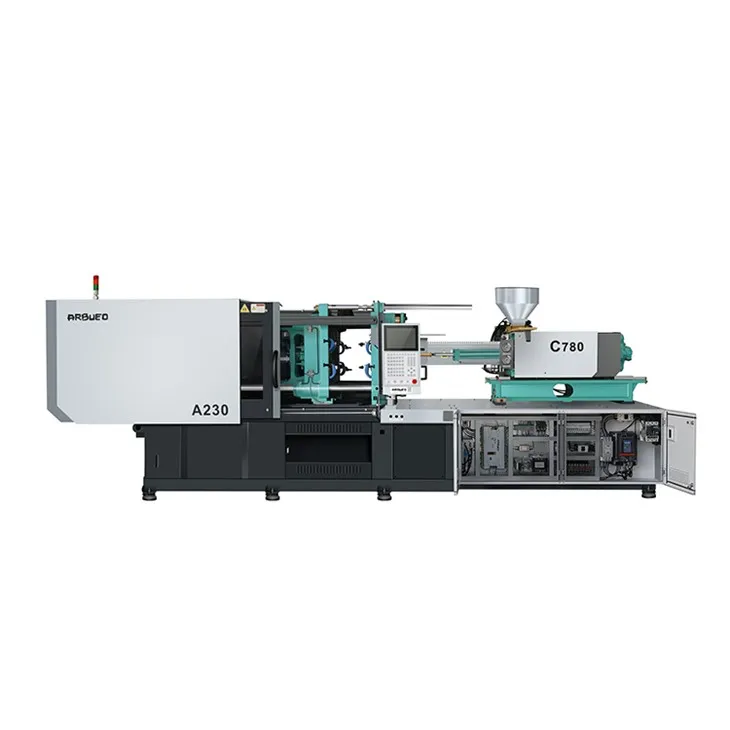
Most phone case injection molding machines have multiple temperature zones. These zones typically include the hopper, barrel, and nozzle. Each zone plays a unique role in the injection molding process.
-
Hopper: The hopper is where the plastic pellets are stored. Usually, the temperature here doesn't need to be extremely high. A slightly elevated temperature helps keep the pellets free - flowing and prevents them from clumping. You can set it around 50 - 70°F (10 - 21°C) depending on the type of plastic you're using.
-
Barrel: The barrel is where the magic happens. This is where the plastic pellets are melted. The barrel is divided into several heating zones, usually three to five. The first zone near the hopper is set at a relatively low temperature to gradually start the melting process. As the plastic moves towards the nozzle, the temperature in the subsequent zones increases. For common plastics like ABS (Acrylonitrile Butadiene Styrene), the first zone might be around 350°F (177°C), and the last zone close to the nozzle could be around 450°F (232°C).
-
Nozzle: The nozzle is the final stop for the molten plastic before it enters the mold. The temperature here needs to be high enough to keep the plastic in a fluid state but not so high that it drools or causes issues with the injection process. For most phone case applications, a nozzle temperature of around 430 - 470°F (221 - 243°C) works well.
Factors Affecting Temperature Settings
Now, you can't just set the temperatures and forget about them. There are several factors that can influence the optimal temperature settings in your phone case injection molding machine.
-
Plastic Material: Different plastics have different melting points and processing temperatures. For example, polycarbonate has a higher melting point compared to ABS. So, you'll need to adjust the temperature settings accordingly. Always refer to the plastic manufacturer's guidelines for the recommended temperature range.
-
Mold Design: The complexity of the mold design can also affect the temperature. A mold with thin walls or intricate details might require a higher temperature to ensure proper filling. On the other hand, a simple, thick - walled mold might be okay with a slightly lower temperature.
-
Injection Speed: Faster injection speeds can generate more heat due to friction. So, if you're running the machine at a high injection speed, you might need to lower the barrel temperature slightly to compensate for the additional heat.
How to Adjust the Temperature
Okay, so now that we understand why and what affects temperature, let's talk about how to actually adjust it.
-
Using the Control Panel: Most modern phone case injection molding machines come with a user - friendly control panel. You can access the temperature settings through this panel. Locate the section for temperature control, and you'll see options to set the temperature for each zone. Just enter the desired temperature and hit the set button.

-
Monitoring and Fine - Tuning: Once you've set the initial temperatures, it's important to monitor the process closely. Check the quality of the phone cases being produced. If you notice any issues like incomplete filling or bubbles, it might be a sign that the temperature needs adjustment. Make small changes, around 5 - 10°F (2.8 - 5.6°C) at a time, and see how it affects the product.
Troubleshooting Temperature - Related Issues
Even with the best temperature settings, you might encounter some issues. Here are a few common problems and how to fix them.
-
Cold Slugs: Cold slugs are small pieces of solid plastic that get injected into the mold. This usually happens when the temperature in the nozzle is too low. Increase the nozzle temperature by 5 - 10°F (2.8 - 5.6°C) and see if the problem persists.
-
Flash: Flash is excess plastic that seeps out of the mold. This can be caused by a combination of high temperature and high pressure. Try lowering the barrel temperature by a few degrees and see if it reduces the flash.
-
Short Shots: Short shots occur when the mold isn't completely filled with plastic. This could be due to low temperature, which causes the plastic to solidify before filling the entire mold. Increase the barrel and nozzle temperatures gradually until the mold is filled properly.
Other Injection Molding Machines We Offer
Apart from phone case injection molding machines, we also supply a range of other injection molding machines. Check out our Tableware Injection Molding Machine, Injection Molding Machine for PET Bottles, and Pipe Fitting Injection Molding Machine. These machines are designed to meet the specific needs of different industries.
Wrapping Up
Adjusting the temperature in a phone case injection molding machine is a skill that comes with experience. By understanding the different temperature zones, the factors that affect temperature settings, and how to troubleshoot issues, you can ensure that you're producing high - quality phone cases. If you're in the market for a phone case injection molding machine or have any questions about temperature adjustment or our other products, don't hesitate to reach out for a procurement discussion.
References
- "Injection Molding Handbook" by O. John Hanna
- Plastic materials technical data sheets from major plastic manufacturers