


Adjusting the clamping force of a toy injection molding machine is a crucial process that directly impacts the quality and efficiency of toy production. As a leading supplier of Toy Injection Molding Machine, we understand the importance of getting this right. In this blog, we'll delve into the details of how to adjust the clamping force effectively.
Understanding the Basics of Clamping Force
Before we dive into the adjustment process, it's essential to understand what clamping force is and why it matters. Clamping force is the force applied by the injection molding machine to keep the mold closed during the injection process. If the clamping force is too low, the molten plastic may leak out of the mold, resulting in defective products. On the other hand, if the clamping force is too high, it can cause excessive wear and tear on the mold and the machine itself, increasing maintenance costs and reducing the lifespan of the equipment.
Factors Affecting Clamping Force
Several factors can influence the required clamping force for toy injection molding. These include:

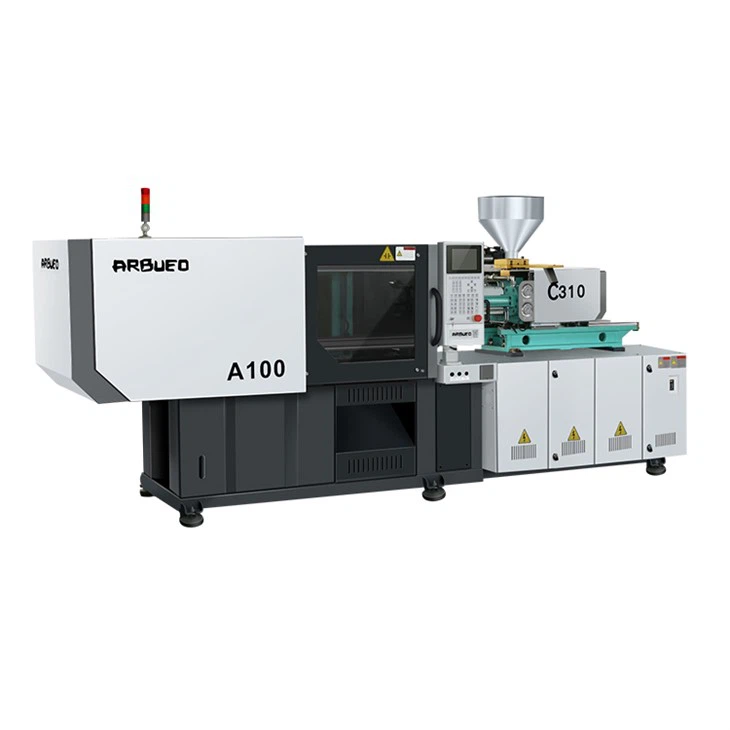
- Mold Size and Shape: Larger molds or those with complex shapes generally require higher clamping forces to ensure proper sealing.
- Plastic Material: Different plastic materials have different flow characteristics and shrinkage rates, which can affect the clamping force needed. For example, materials with high viscosity may require more force to fill the mold completely.
- Injection Pressure: Higher injection pressures typically demand higher clamping forces to prevent mold separation.
- Wall Thickness of the Toy: Thicker-walled toys may require more clamping force to maintain the shape during the cooling process.
How to Measure Clamping Force
Accurately measuring the clamping force is the first step in adjusting it. Most modern toy injection molding machines are equipped with sensors that can provide real-time data on the clamping force. However, if your machine doesn't have this feature, you can use a pressure transducer to measure the force applied to the mold. Place the transducer between the mold and the machine's platen and record the readings during the clamping process.
Steps to Adjust Clamping Force
Once you have determined the appropriate clamping force for your specific toy production, you can proceed with the adjustment process. Here are the general steps:
- Refer to the Machine Manual: Every toy injection molding machine has its own set of operating instructions. Consult the machine manual to understand the specific procedures for adjusting the clamping force.
- Locate the Clamping Force Adjustment Mechanism: This is usually located on the control panel of the machine. It may be a dial, a button, or a digital control interface.
- Set the Initial Clamping Force: Based on your calculations and experience, set the initial clamping force to a reasonable value. Start with a slightly lower force and gradually increase it if necessary.
- Run a Test Shot: After setting the clamping force, run a test shot to check the quality of the molded toy. Look for signs of flash (excess plastic), incomplete filling, or other defects.
- Make Adjustments as Needed: If the test shot reveals any issues, adjust the clamping force accordingly. Increase the force if there is flash or incomplete filling, and decrease it if the mold or the machine is experiencing excessive stress.
- Repeat the Process: Continue running test shots and making adjustments until you achieve the desired clamping force and product quality.
Tips for Optimal Clamping Force Adjustment
- Conduct Regular Maintenance: Keep your toy injection molding machine in good condition by performing regular maintenance tasks. This includes cleaning, lubricating, and inspecting the clamping mechanism to ensure smooth operation.
- Monitor and Record the Clamping Force: Keep a record of the clamping force settings and the corresponding product quality for each production run. This will help you identify any trends or issues and make more informed adjustments in the future.
- Train Your Operators: Ensure that your machine operators are properly trained on how to adjust the clamping force. Provide them with comprehensive training on the machine's operation, safety procedures, and quality control measures.
Related Products
In addition to our Toy Injection Molding Machine, we also offer other high-quality injection molding machines, such as Plastic Pallet Injection Molding Machine and Injection Stretch Blow Molding Machine. These machines are designed to meet the diverse needs of the plastic processing industry and can help you achieve greater productivity and efficiency.
Contact Us for Purchase and Negotiation
If you're interested in our toy injection molding machines or other related products, we'd love to hear from you. Our experienced sales team is ready to provide you with detailed information, answer your questions, and assist you in finding the right solution for your business. Whether you're a small-scale toy manufacturer or a large industrial facility, we can offer you competitive prices, excellent after-sales service, and customized solutions to meet your specific requirements. Don't hesitate to reach out to us to start a fruitful negotiation and take your toy production to the next level.
References
- "Injection Molding Handbook" by Otto Menges, Konrad Michaeli, and Peter Mohren.
- "Plastics Processing Technology" by James F. Carley.
- Industry - specific technical reports and white papers on toy injection molding.