


Can a Tabletop Injection Molding Machine be Used for Shoe Parts Production?
Hey there! I'm a supplier of tabletop injection molding machines, and I often get asked if these nifty little machines can be used for shoe parts production. Well, let's dive right in and explore this topic together.
First off, what exactly is a tabletop injection molding machine? It's a compact and relatively affordable piece of equipment that's designed to create plastic parts through the injection molding process. It's perfect for small - scale production, prototyping, and even educational purposes.
Now, let's talk about shoe parts production. Shoes are made up of various components like soles, heels, toe caps, and decorative elements. These parts can be made from different materials such as rubber, thermoplastic elastomers (TPE), and polyvinyl chloride (PVC).

One of the main advantages of using a tabletop injection molding machine for shoe parts is its cost - effectiveness. If you're a small business or a startup looking to produce custom shoe parts without breaking the bank, a tabletop machine is a great option. You don't need to invest in a large, expensive industrial - scale injection molding machine right off the bat.
Another benefit is the flexibility it offers. With a tabletop machine, you can easily change the molds to create different types of shoe parts. This is especially useful for prototyping new shoe designs. You can quickly test out different shapes, sizes, and materials to see what works best for your product.
However, there are some limitations to using a tabletop injection molding machine for shoe parts production. One of the biggest challenges is the production volume. Tabletop machines are generally slower and have a lower production capacity compared to larger industrial machines. If you're planning to mass - produce shoe parts, you might find that a tabletop machine just can't keep up with the demand.
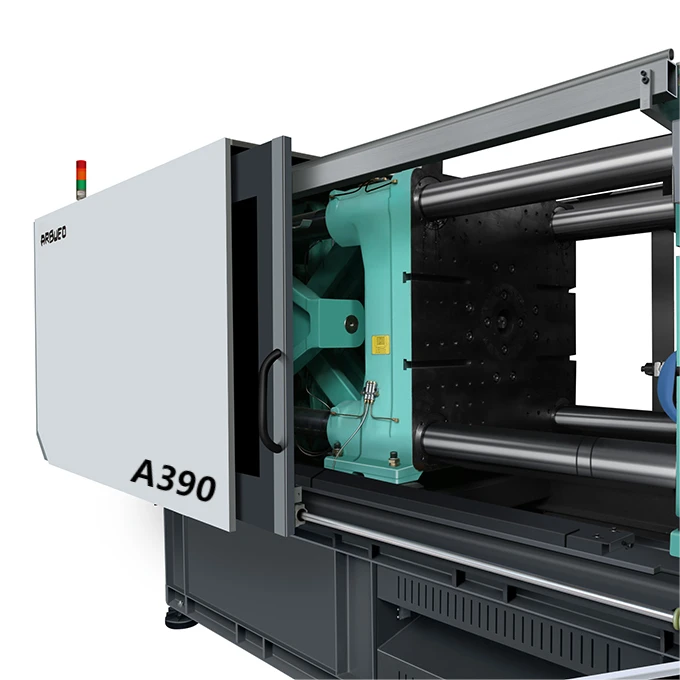
The size of the parts is also a factor. Tabletop machines usually have a smaller clamping force and a limited shot size. This means that they may not be suitable for producing large shoe parts like full - size soles. For larger parts, you might need to look into more powerful machines like the 390 - ton horizontal hydraulic injection molding machine or the 800 - ton horizontal hydraulic injection molding machine.
The material compatibility can also be an issue. Some high - performance shoe materials require specific processing conditions that a tabletop machine may not be able to provide. For example, certain types of rubber need high - temperature and high - pressure processing, which might be beyond the capabilities of a tabletop machine.
But don't be too discouraged! There are many shoe parts that a tabletop injection molding machine can handle perfectly well. Small decorative elements, like shoe buckles or small inserts, are ideal candidates. These parts are often made from common plastics that can be easily processed by a tabletop machine.
Also, if you're in the business of making custom - made or limited - edition shoes, a tabletop machine can be a game - changer. You can offer unique shoe designs with custom - made parts, which can give you a competitive edge in the market.
If you're considering using a tabletop injection molding machine for shoe parts production, here are some tips to get you started. First, make sure you choose the right machine for your needs. Consider the clamping force, shot size, and the types of materials it can process. Our 170 - ton horizontal hydraulic injection molding machine is a great option for small - to - medium - sized shoe parts.
Second, invest in good - quality molds. The quality of the molds will directly affect the quality of the shoe parts. Make sure the molds are made from durable materials and are designed to produce the parts with high precision.
Finally, don't forget about the post - processing. After the parts are molded, you may need to trim, polish, or assemble them. Having a proper post - processing setup is essential for getting high - quality finished shoe parts.
In conclusion, while a tabletop injection molding machine has its limitations, it can definitely be used for shoe parts production, especially for small - scale and custom - made projects. If you're a small business owner, a designer, or an entrepreneur looking to get into the shoe manufacturing industry, a tabletop machine can be a great starting point.
If you're interested in learning more about our tabletop injection molding machines or have any questions about using them for shoe parts production, don't hesitate to reach out. We're here to help you make the right choice for your business. Let's start a conversation about how we can work together to bring your shoe part production ideas to life.
References
- "Injection Molding Handbook" by O. Olajide
- "Plastic Materials for Injection Molding" by R. Smith