


As a seasoned supplier of Plastic Injection Machines, I've had the privilege of witnessing the remarkable versatility of these machines and the wide range of plastics they can process. In this blog, I'll delve into the different types of plastics suitable for use in a plastic injection machine, providing insights into their properties, applications, and the unique advantages they offer.
Polyethylene (PE)
Polyethylene is one of the most widely used plastics in the world, known for its excellent chemical resistance, low cost, and ease of processing. It comes in several forms, including high-density polyethylene (HDPE), low-density polyethylene (LDPE), and linear low-density polyethylene (LLDPE).
- HDPE: HDPE is a rigid, high-strength plastic with good impact resistance and a high melting point. It is commonly used in applications such as bottles, containers, pipes, and automotive parts. Our Hydraulic Plastic Injection Moulding Machine is well-suited for processing HDPE, ensuring precise and efficient production of high-quality parts.
- LDPE: LDPE is a flexible, transparent plastic with excellent clarity and a low melting point. It is often used in applications such as packaging films, bags, and squeeze bottles. The Horizontal Hydraulic Injection Molding Machine offers the flexibility and precision required to process LDPE, enabling the production of thin-walled and complex parts.
- LLDPE: LLDPE combines the properties of HDPE and LDPE, offering high strength, flexibility, and excellent tear resistance. It is commonly used in applications such as stretch films, liners, and geomembranes. Our plastic injection machines can handle LLDPE with ease, providing consistent and reliable production of high-performance parts.
Polypropylene (PP)
Polypropylene is a lightweight, strong, and heat-resistant plastic with excellent chemical resistance and a high melting point. It is commonly used in applications such as automotive parts, packaging, and consumer goods.
- Homopolymer PP: Homopolymer PP is a pure form of polypropylene with high stiffness and strength. It is often used in applications such as automotive interiors, appliance parts, and packaging. Our plastic injection machines can process homopolymer PP efficiently, producing parts with excellent dimensional stability and surface finish.
- Random Copolymer PP: Random copolymer PP is a modified form of polypropylene with improved clarity, flexibility, and impact resistance. It is commonly used in applications such as food packaging, medical devices, and consumer goods. The Hydraulic Rubber Moulding Machine can be used to process random copolymer PP, ensuring precise and consistent production of high-quality parts.
- Block Copolymer PP: Block copolymer PP is a blend of homopolymer PP and rubber, offering high impact resistance and toughness. It is often used in applications such as automotive bumpers, instrument panels, and furniture. Our plastic injection machines can handle block copolymer PP with ease, providing reliable and efficient production of high-performance parts.
Polystyrene (PS)
Polystyrene is a clear, rigid, and lightweight plastic with excellent transparency and a low cost. It is commonly used in applications such as packaging, disposable cutlery, and consumer goods.
- General Purpose Polystyrene (GPPS): GPPS is a pure form of polystyrene with high clarity and stiffness. It is often used in applications such as packaging, toys, and display cases. Our plastic injection machines can process GPPS efficiently, producing parts with excellent surface finish and dimensional accuracy.
- High Impact Polystyrene (HIPS): HIPS is a modified form of polystyrene with improved impact resistance. It is commonly used in applications such as automotive interiors, appliance parts, and consumer goods. The Horizontal Hydraulic Injection Molding Machine can be used to process HIPS, ensuring precise and consistent production of high-quality parts.
- Expandable Polystyrene (EPS): EPS is a lightweight, insulating plastic with excellent shock absorption properties. It is commonly used in applications such as packaging, insulation, and construction. Our plastic injection machines can handle EPS with ease, providing reliable and efficient production of high-performance parts.
Polyvinyl Chloride (PVC)
Polyvinyl chloride is a versatile, durable, and cost-effective plastic with excellent chemical resistance and a wide range of applications. It comes in two main forms: rigid PVC and flexible PVC.
- Rigid PVC: Rigid PVC is a strong, rigid plastic with excellent impact resistance and a high melting point. It is commonly used in applications such as pipes, window frames, and automotive parts. Our Hydraulic Plastic Injection Moulding Machine is well-suited for processing rigid PVC, ensuring precise and efficient production of high-quality parts.
- Flexible PVC: Flexible PVC is a soft, flexible plastic with excellent flexibility and a low melting point. It is often used in applications such as cables, hoses, and flooring. The Hydraulic Rubber Moulding Machine can be used to process flexible PVC, ensuring precise and consistent production of high-quality parts.
Acrylonitrile Butadiene Styrene (ABS)
Acrylonitrile Butadiene Styrene is a strong, rigid, and impact-resistant plastic with excellent dimensional stability and a high melting point. It is commonly used in applications such as automotive parts, consumer goods, and electronics.

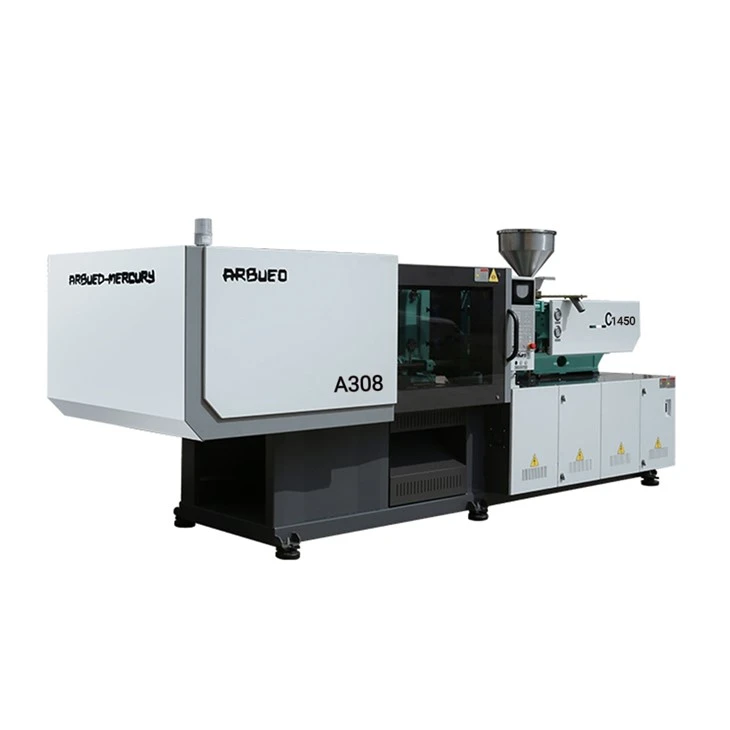
- General Purpose ABS: General purpose ABS is a standard form of ABS with good mechanical properties and a wide range of applications. It is often used in applications such as automotive interiors, appliance parts, and consumer goods. Our plastic injection machines can process general purpose ABS efficiently, producing parts with excellent surface finish and dimensional accuracy.
- High Heat ABS: High heat ABS is a modified form of ABS with improved heat resistance. It is commonly used in applications such as automotive engine covers, electrical housings, and consumer goods. The Horizontal Hydraulic Injection Molding Machine can be used to process high heat ABS, ensuring precise and consistent production of high-quality parts.
Conclusion
In conclusion, the versatility of plastic injection machines allows for the processing of a wide range of plastics, each with its own unique properties and applications. Whether you're looking to produce high-strength automotive parts, flexible packaging films, or clear consumer goods, our Plastic Injection Machines are designed to meet your specific needs.
If you're interested in learning more about our plastic injection machines or discussing your specific requirements, please don't hesitate to contact us. Our team of experts is here to provide you with the information and support you need to make an informed decision. We look forward to the opportunity to work with you and help you achieve your production goals.
References
- "Plastics Technology Handbook," Fourth Edition, by James F. Carley
- "Injection Molding Handbook," Third Edition, by O. J. Roylance
- "Plastic Materials," Fourteenth Edition, by John A. Brydson