


As a supplier of plastic injection machines, I understand the importance of proper installation to ensure the efficient and safe operation of these machines. In this blog post, I will discuss the key installation requirements for a plastic injection machine, providing you with valuable insights to make your installation process smooth and successful.
Site Preparation
The first step in installing a plastic injection machine is to prepare the site. The location where the machine will be installed should meet several criteria. Firstly, the floor must be flat and capable of supporting the weight of the machine. Plastic injection machines can be quite heavy, especially larger models, so a solid foundation is essential. A floor with a slope or uneven surface can cause the machine to vibrate during operation, which may lead to premature wear and tear of components and affect the quality of the molded products.
Secondly, the site should have adequate space around the machine. There should be enough room for operators to move freely, perform maintenance tasks, and access the machine's controls and components. A general rule of thumb is to leave at least 1 - 2 meters of clearance on all sides of the machine. This space is also important for ventilation, as plastic injection machines generate heat during operation.
Ventilation is another crucial aspect of site preparation. The machine produces fumes and heat, and proper ventilation helps to remove these by - products. Adequate ventilation not only protects the health of the operators but also extends the lifespan of the machine. Installing exhaust fans or ventilation ducts near the machine can effectively remove the hot air and fumes.
Electrical Requirements
Plastic injection machines are powered by electricity, and meeting the electrical requirements is vital for their safe and proper operation. The machine's electrical specifications, including voltage, current, and frequency, must match the power supply at the installation site. Most plastic injection machines operate on three - phase power, but the specific requirements can vary depending on the model and size of the machine.
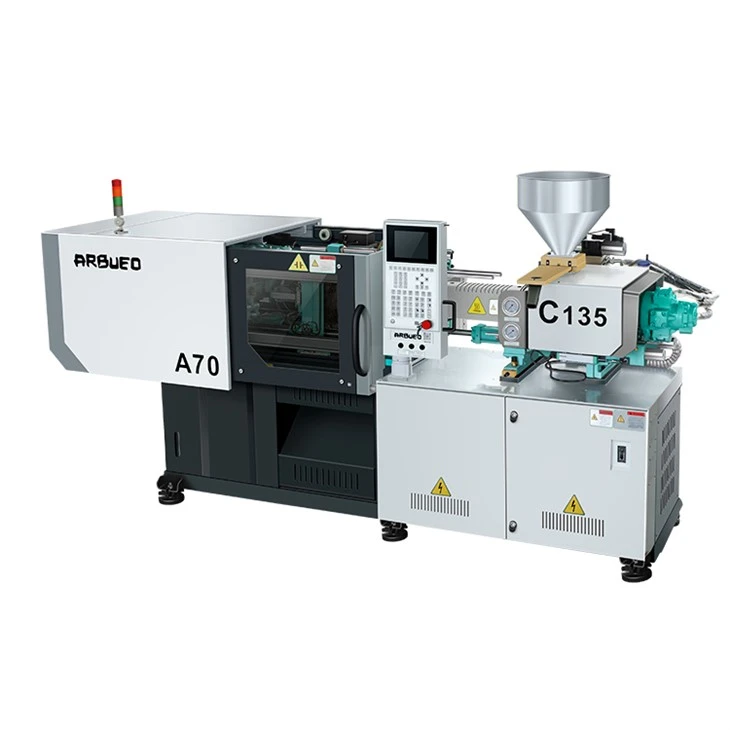
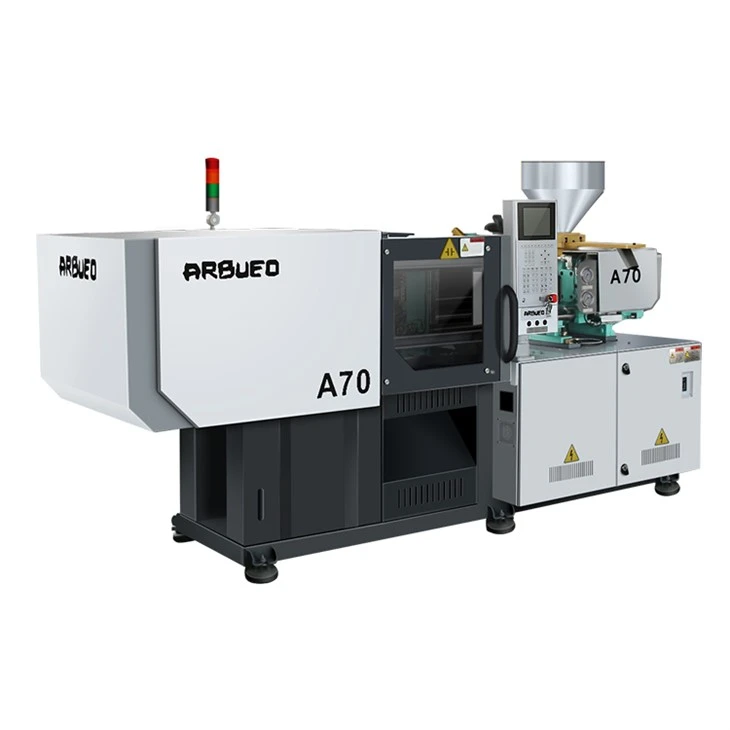
It is recommended to have a dedicated electrical circuit for the plastic injection machine. This helps to prevent power fluctuations and ensures a stable power supply. A circuit breaker or a fuse with the appropriate rating should be installed to protect the machine from electrical overloads. Additionally, all electrical connections must be properly grounded to prevent electrical shocks.
Before connecting the machine to the power supply, it is essential to have a qualified electrician inspect the electrical installation. The electrician can verify that the electrical system meets the machine's requirements and ensure that all connections are safe and secure.
Water Supply and Cooling System
Many plastic injection machines use a water - cooling system to maintain the temperature of the hydraulic oil, the mold, and other components. A reliable water supply is therefore necessary for the proper functioning of the machine. The water should be clean and free from contaminants to prevent blockages in the cooling system.
The water supply should have a sufficient flow rate and pressure. The flow rate requirements can vary depending on the size and type of the machine, but typically range from 10 - 50 liters per minute. The water pressure should be maintained within the recommended range, usually between 2 - 5 bar.
A water treatment system may be required to prevent the formation of scale and corrosion in the cooling system. Scale buildup can reduce the efficiency of the cooling system and cause damage to the machine's components. Regular maintenance of the cooling system, including flushing the water lines and checking the water quality, is also necessary to ensure its proper operation.
Machine Assembly and Alignment
Once the site is prepared and the necessary utilities are in place, the plastic injection machine can be assembled and installed. The machine usually comes in several parts, and it is important to follow the manufacturer's assembly instructions carefully.
During the assembly process, all components must be properly aligned. Misalignment can cause excessive wear on the moving parts, reduce the machine's accuracy, and lead to quality issues in the molded products. The alignment of the clamping unit, the injection unit, and the mold mounting surface is particularly important.
Special tools and equipment may be required for the assembly and alignment process. For example, laser alignment tools can be used to ensure the precise alignment of the machine's components. After the assembly is complete, a test run of the machine should be conducted to check for any abnormal vibrations, noises, or malfunctions.
Safety Measures
Safety is of utmost importance during the installation of a plastic injection machine. All operators and installers should wear appropriate personal protective equipment (PPE), such as safety glasses, gloves, and safety shoes.
The machine should be equipped with safety guards and interlocks. Safety guards prevent operators from coming into contact with moving parts, such as the clamping unit and the injection unit. Interlocks are devices that stop the machine's operation when a safety guard is opened or removed. This helps to prevent accidents and injuries.
Emergency stop buttons should be installed in easily accessible locations around the machine. These buttons allow operators to quickly stop the machine in case of an emergency.
Training for Operators
After the installation is complete, it is essential to provide training for the machine operators. The training should cover the machine's operation, maintenance, safety procedures, and troubleshooting.
Operators should be familiar with the machine's control panel, how to set the process parameters, and how to operate the machine safely. They should also be trained on how to perform routine maintenance tasks, such as lubrication, cleaning, and inspection of the machine's components.
Troubleshooting training helps operators to identify and resolve common problems that may occur during the machine's operation. This can reduce downtime and improve the overall efficiency of the production process.
Our Product Range
At our company, we offer a wide range of plastic injection machines, including the Hydraulic Clamping Injection Molding Machine, the Hydraulic Rubber Moulding Machine, and the Hydraulic Plastic Injection Moulding Machine. These machines are designed to meet the diverse needs of our customers and are built with high - quality components to ensure reliable performance.
If you are interested in purchasing a plastic injection machine or have any questions about the installation requirements, please feel free to contact us. Our team of experts is ready to assist you with the installation process and provide you with the best solutions for your plastic injection molding needs.
References
- Plastic Injection Molding Handbook, Second Edition. Edited by Rosato, Donald V., et al.
- Machinery's Handbook, 30th Edition. Industrial Press Inc.
- Safety Standards for Plastic Injection Molding Machines. Published by relevant industry safety organizations.