


Hey there! As a supplier of injection machines, I've seen my fair share of issues that pop up during the injection molding process. One problem that can really throw a wrench in the works is the color streak problem. It's a headache for manufacturers, but don't worry, I'm here to break down how to solve it.
Understanding the Color Streak Problem
First off, let's talk about what color streaks are. You know, those annoying lines or bands of different colors that show up on your molded parts? They can mess up the appearance of the product and even affect its quality. Color streaks can be caused by a bunch of things, like improper mixing of the colorant, problems with the injection speed, or issues with the mold itself.
Causes of Color Streaks
- Inadequate Mixing of Colorant
- When the colorant isn't mixed well with the base resin, it can lead to streaks. This could be because the mixing equipment isn't working properly or the mixing time is too short. For example, if you're using a simple blender to mix the colorant and the resin, it might not be able to distribute the colorant evenly throughout the material.
- Injection Speed and Pressure
- If the injection speed is too fast or too slow, it can cause color streaks. A fast injection speed might not allow the colorant to mix properly, while a slow speed could result in the material cooling too much before it fills the mold, causing uneven color distribution. Also, inconsistent injection pressure can lead to similar problems.
- Mold Design and Condition
- The design of the mold can play a big role in color streaking. If the mold has narrow channels or sharp corners, the material might flow unevenly, leading to streaks. Additionally, a dirty or worn - out mold can also cause issues. For instance, if there are residues in the mold cavities, it can affect the flow of the material and cause color streaks.
- Resin Properties
- Different resins have different flow characteristics. Some resins might be more prone to color streaking than others. For example, a resin with a high viscosity might not mix well with the colorant, especially if the processing conditions aren't adjusted accordingly.
Solutions to the Color Streak Problem
- Improve Colorant Mixing
- Upgrade your mixing equipment. Consider using a high - shear mixer that can provide better dispersion of the colorant in the resin. You can also increase the mixing time to ensure thorough mixing. For example, instead of mixing for 5 minutes, try mixing for 10 minutes to see if it improves the color distribution.
- Optimize Injection Parameters
- Experiment with different injection speeds and pressures. You can start by running some test shots at different speeds and pressures and observe the results. A good way to do this is to create a table of different injection speed and pressure combinations and record the appearance of the molded parts. Based on the results, you can find the optimal settings for your specific material and mold.
- Mold Maintenance and Design Improvement
- Keep your molds clean. Regularly clean the mold cavities to remove any residues. You can use appropriate cleaning agents and tools to do this. Also, consider improving the mold design. If possible, widen the channels and smooth out the sharp corners to ensure a more even flow of the material. You might also want to invest in a new mold if the current one is too worn out.
- Select the Right Resin and Colorant
- Work closely with your resin and colorant suppliers. They can provide you with information on which combinations are less likely to cause color streaks. For example, some colorants are specifically formulated for certain types of resins to ensure better mixing and color distribution.
Using the Right Injection Machine
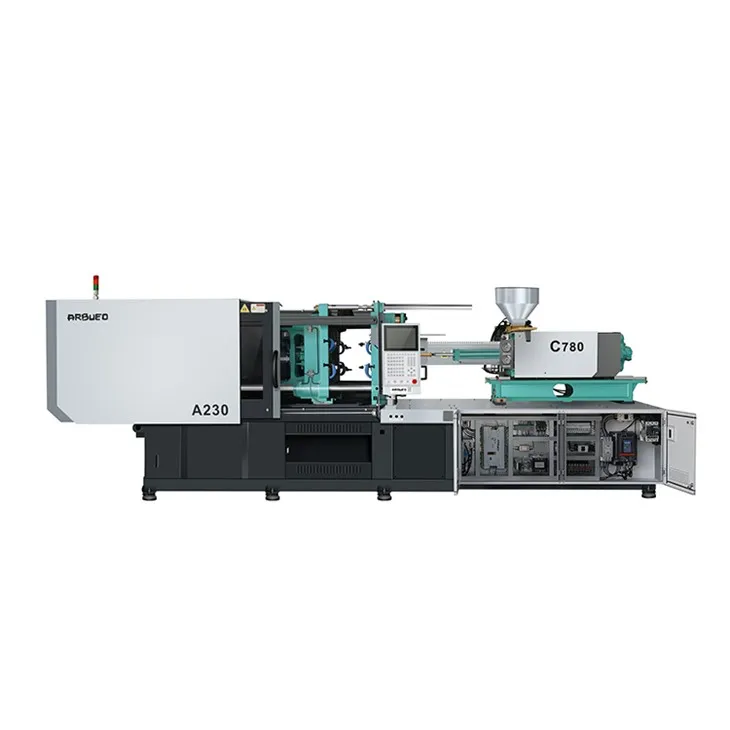
As an injection machine supplier, I know that having the right machine can make a big difference in solving the color streak problem. For example, our Pipe Fitting Injection Molding Machine is designed to provide precise control over the injection process. It allows you to adjust the injection speed, pressure, and temperature accurately, which can help in achieving a more even color distribution.
Our Pu Injection Moulding Machine is also great for handling different types of materials and colorants. It has advanced mixing capabilities that can ensure better dispersion of the colorant in the resin, reducing the chances of color streaks.
And if you're into producing PET bottles, our Injection Molding Machine for PET Bottles is a top - notch choice. It's optimized for the specific requirements of PET bottle production, including color consistency.
Quality Control and Testing
Once you've implemented the solutions, it's important to have a proper quality control system in place. Regularly inspect the molded parts for color streaks. You can use visual inspection methods or more advanced techniques like colorimetry to measure the color consistency. Conducting test shots before starting a large - scale production run can also help you identify and fix any potential color streak issues early on.
Conclusion
Solving the color streak problem in injection molding requires a combination of proper equipment, optimized processing parameters, and good maintenance practices. As an injection machine supplier, we're here to help you every step of the way. Whether it's choosing the right machine, providing technical support, or offering advice on solving color streak issues, we've got your back.
If you're facing color streak problems in your injection molding process or are looking to upgrade your injection machines, don't hesitate to reach out. We can have a detailed discussion about your specific needs and find the best solutions for you. Let's work together to improve the quality of your molded products and boost your production efficiency.

References
- "Injection Molding Handbook" by O. Olszewski
- "Plastics Processing Technology" by Charles A. Harper