


Hey there! As a supplier of Bottle Injection Molding Machines, I'm super stoked to break down how these nifty machines work. It's like a behind - the - scenes look at a manufacturing magic show!
The Basics of Injection Molding
Let's start with the very basics. Injection molding is one of the most common ways to make plastic parts, and bottle injection molding is a specialized part of it. You've probably used a ton of plastic bottles in your life, from water bottles to shampoo containers, and they're likely made using this process.
The process in a nutshell: you take plastic pellets, heat them up until they turn into a gooey liquid, and then force that liquid into a mold. Once it cools and hardens, you've got your finished bottle.
The Machine: An Overview
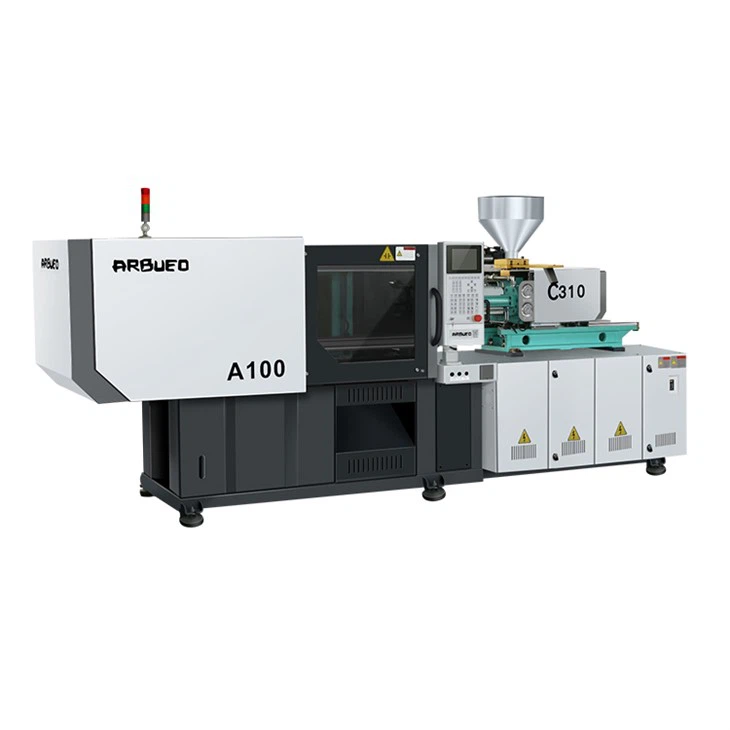
Our Bottle Injection Molding Machines have a few key components that work together seamlessly. There are the hopper, the barrel, the screw, the mold, and the clamping unit. Each part has its own job, and when they all play nice, you get high - quality bottles every time.
The Hopper
The hopper is like the starting line. It's a big container at the top of the machine where you pour in the plastic pellets. These pellets can be made from different types of plastics, like PET (Polyethylene Terephthalate), which is super common for water bottles. The hopper has to keep a steady supply of pellets to the rest of the machine. If it runs out, the whole process stops.
The Barrel
Once the pellets leave the hopper, they drop into the barrel. The barrel is like a long, heated tube. It's got heaters wrapped around it that heat the plastic pellets to a specific temperature. For example, PET usually needs to be heated to around 260 - 280 degrees Celsius to turn into a liquid. As the pellets move through the barrel, they gradually melt into that sticky, flowable state.
The Screw
Inside the barrel, there's a screw that does some really important work. It's not like the screws you use to fix furniture, though. This one rotates and pushes the molten plastic towards the end of the barrel. The screw also helps to mix the plastic properly. Sometimes, there are additives added to the plastic, like colorants or UV stabilizers, and the screw makes sure they're evenly distributed in the molten plastic.
The Mold
The mold is where the magic happens. It's a custom - made set of metal pieces that are shaped like the bottle you want to make. When the molten plastic is ready, it's injected into the mold under high pressure. The mold is cooled with water channels running through it, which makes the plastic solidify quickly. Once the plastic has hardened, the mold opens up, and out comes your brand - new bottle!
The Clamping Unit
The clamping unit is responsible for holding the mold shut during the injection process. The pressure of the molten plastic being injected can be really high, and if the mold wasn't held tightly, the plastic would leak out. The clamping unit uses a hydraulic or mechanical system to apply a huge amount of force to keep the mold closed.
The Step - by - Step Process
Let's go through the whole process from start to finish.
Loading the Pellets
First, you load the plastic pellets into the hopper. It's a pretty simple step, but it's crucial. You have to make sure you're using the right type of plastic for the bottles you want to produce. Different plastics have different properties, like strength, flexibility, and clarity.

Melting the Plastic
As the pellets fall into the barrel, the heaters start doing their job. The screw starts rotating, pushing the pellets forward and mixing them. As they move along the barrel, the heat gradually melts the plastic. This takes a bit of time, and the machine has to be carefully controlled to make sure the plastic is at the right temperature. If it's too hot, the plastic can break down and lose its properties. If it's too cold, it won't flow properly into the mold.
Injecting the Plastic
Once the plastic is in a nice, molten state, it's time for the injection. The screw moves forward like a piston, pushing the molten plastic through a nozzle and into the mold. This happens really fast and under a lot of pressure. The pressure is important because it makes sure the plastic fills every nook and cranny of the mold.
Cooling and Solidifying
After the mold is filled with plastic, the cooling process begins. The water channels in the mold start circulating cold water, which rapidly cools the plastic. As it cools, it solidifies into the shape of the bottle. The cooling time can vary depending on the size and thickness of the bottle, but it usually takes a few seconds to a few minutes.
Ejecting the Bottle
Once the plastic has fully solidified, the clamping unit opens the mold. Then, ejector pins push the bottle out of the mold. The bottle is now ready for any additional finishing touches, like trimming off any excess plastic or adding labels.
Our Range of Machines
We're not just about bottle injection molding. We also offer other types of injection molding machines. For example, if you're looking for a smaller - scale operation, check out our Tabletop Injection Molding Machine. It's perfect for small businesses or prototyping.
If you're in the market for making plastic pallets, our Plastic Pallet Injection Molding Machine is a great option. It's designed to handle the large - scale production of sturdy plastic pallets.
And for those in the toy - making industry, we have the Toy Injection Molding Machine. It can produce all sorts of plastic toys with high precision and quality.
Why Choose Our Machines
Our machines are built to last. We use high - quality materials and the latest manufacturing techniques to ensure reliability and efficiency. They're also easy to operate, which means you don't need a team of experts to run them. Plus, we offer great after - sales service. If you run into any problems, we're here to help.
If you're in the business of making plastic bottles or any other plastic products, our injection molding machines could be the game - changer you need. Whether you're a small startup or a large - scale manufacturing company, we've got a solution for you.
Let's Talk
So, if you're interested in our Bottle Injection Molding Machines or any of our other products, don't hesitate to reach out. We're always ready to have a chat about your specific needs and how our machines can help you meet your production goals. Connect with us, and let's start a great partnership!
References
- "Injection Molding Handbook" by Dominik Bogdanski
- "Plastics Engineering" magazine, various issues