


Hey there! As a supplier of large injection molding machines, I've seen my fair share of unexpected situations, and one of the most nerve - wracking ones is a sudden power failure during the operation of these beasts. It can cause a whole bunch of problems, from ruining the current batch of products to potentially damaging the machine itself. So, let's dig into how to deal with this issue effectively.
Immediate Actions
The moment the lights go out and the machine stops, your first reaction might be panic. But hold your horses! The first thing you need to do is stay calm. Check if it's a local power outage or just an issue with the machine's electrical supply. You can do this by looking at other equipment in the vicinity or checking the main power switch.
If it's a local outage, chances are the power company will be working on it. But you still need to take steps to protect your machine. First, turn off all the auxiliary equipment connected to the injection molding machine, like cooling fans, heaters, and controllers. This helps prevent any potential electrical surges when the power comes back on.
Protecting the Mold
The mold is one of the most expensive parts of the injection molding process. During a power failure, the plastic inside the mold can start to cool and solidify unevenly. This can lead to warping, cracking, or other defects in the mold. To prevent this, you can try to maintain the temperature of the mold as much as possible.
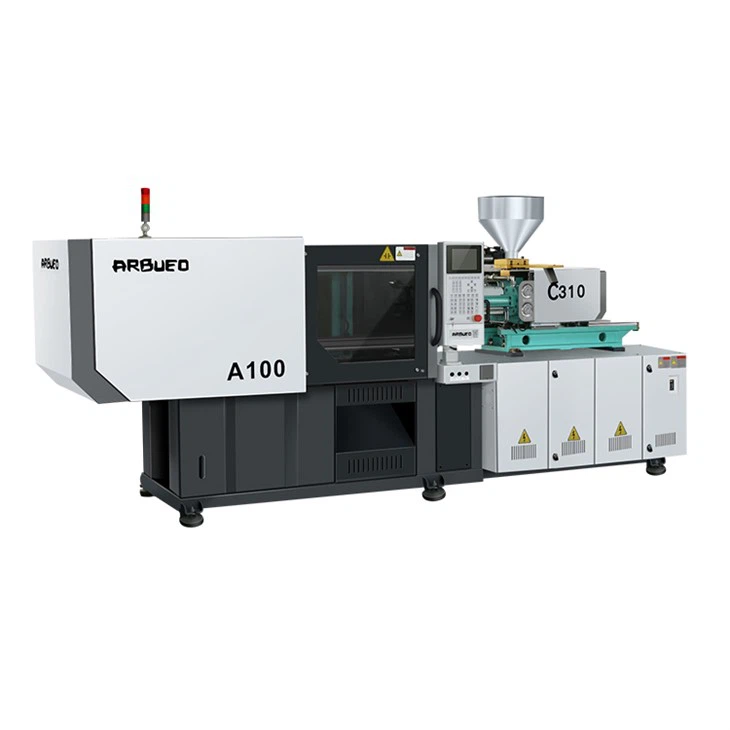

If your machine has a built - in emergency heating system, turn it on. This will help keep the plastic in a semi - molten state until the power is restored. If not, you can use some external heating sources, like heat guns (be very careful when using these, as they can cause burns and other safety hazards).
Preventing Hydraulic System Damage
Large injection molding machines rely heavily on hydraulic systems to operate. When the power fails, the hydraulic pumps stop working, and the pressure in the system can drop suddenly. This can cause cavitation, which is basically the formation and collapse of vapor bubbles in the hydraulic fluid. Cavitation can damage the hydraulic pumps, valves, and other components.
To prevent this, you can install a hydraulic accumulator. This device stores hydraulic energy and can help maintain the pressure in the system during a power outage. It acts as a buffer, reducing the risk of cavitation and other hydraulic system damage.
Resuming Operation
Once the power is back on, don't just jump right back into production. First, do a thorough inspection of the machine. Check all the electrical connections to make sure there are no loose wires or signs of damage. Inspect the hydraulic system for any leaks or abnormal noises.
Next, you need to pre - heat the machine and the mold. This is important because the plastic needs to be at the right temperature for proper injection. Follow the manufacturer's guidelines for pre - heating times and temperatures.
After pre - heating, run a test cycle with a small amount of plastic. This allows you to check if the machine is working properly and if the mold is producing good - quality parts. If everything looks good, you can start your normal production.
Backup Power Solutions
One of the best ways to deal with power failures is to have a backup power solution in place. A generator is a popular choice for large injection molding machines. Make sure the generator has enough capacity to power the machine and all its auxiliary equipment.
You also need to test the generator regularly to ensure it's in good working condition. Set up a schedule for maintenance, including oil changes, filter replacements, and battery checks.
Training Your Staff
Your staff plays a crucial role in dealing with power failures. Make sure they are well - trained on what to do in case of an emergency. Conduct regular drills so that they are familiar with the procedures.
Train them on how to turn off the auxiliary equipment, how to protect the mold, and how to resume operation safely. Also, teach them about the importance of staying calm and following the established protocols.
Long - Term Solutions
In addition to backup power and staff training, you can also consider investing in a more reliable power supply. This could involve working with your local power company to improve the stability of the electrical grid in your area.
You can also explore alternative energy sources, like solar power or wind power. These can provide a more sustainable and reliable source of energy for your injection molding operations.
Conclusion
Dealing with a sudden power failure during the operation of a large injection molding machine is not easy, but with the right strategies, you can minimize the damage and get back to production as quickly as possible. Remember to stay calm, protect your mold and hydraulic system, and have a backup power solution in place.
If you're in the market for a new injection molding machine, we've got a great range of options for you. Check out our Plastic Pallet Injection Molding Machine, Toy Injection Molding Machine, and Mini Plastic Injection Molding Machine. We're always here to help you find the best machine for your needs. If you have any questions or want to discuss your requirements, don't hesitate to reach out to us. We're looking forward to working with you!
References
- "Injection Molding Handbook" by O. Olumuyiwa and A. O. Salami
- "Hydraulic Systems for Mobile Equipment" by Tom Bishop
- Various industry whitepapers on injection molding machine maintenance and power failure management