


A plastic injection molding machine is a device that processes thermoplastic or thermosetting plastics through a mold. Before using the injection molding machine to process the plastic raw materials, you first need to customize the plastic chair molds of different shapes.
Benefits of Plastic Chair Injection Molding Machine
Aesthetic Excellence
Our chair injection molding machines give chairs a smooth surface and fewer defects, resulting in increased customer satisfaction.
Consistent High Quality
Through precise process control, our machines maintain unwavering quality throughout your entire plastic chair production run.
Our machines' meticulous material flow and cooling control curtail warping and distortion, ensuring dimensional stability in every chair.
Waste Reduction
Our refined injection process minimizes defects and material wastage, reducing production costs and enhancing efficiency in chair
manufacturing.
Increased Durability
With the integration of advanced technologies, our machines manufacture chairs that boast improved strength and enduring durability.
Adaptable Functionality
Meet diverse market demands by fabricating a variety of finished plastic chairs, thanks to our machines' extensive compatibility.
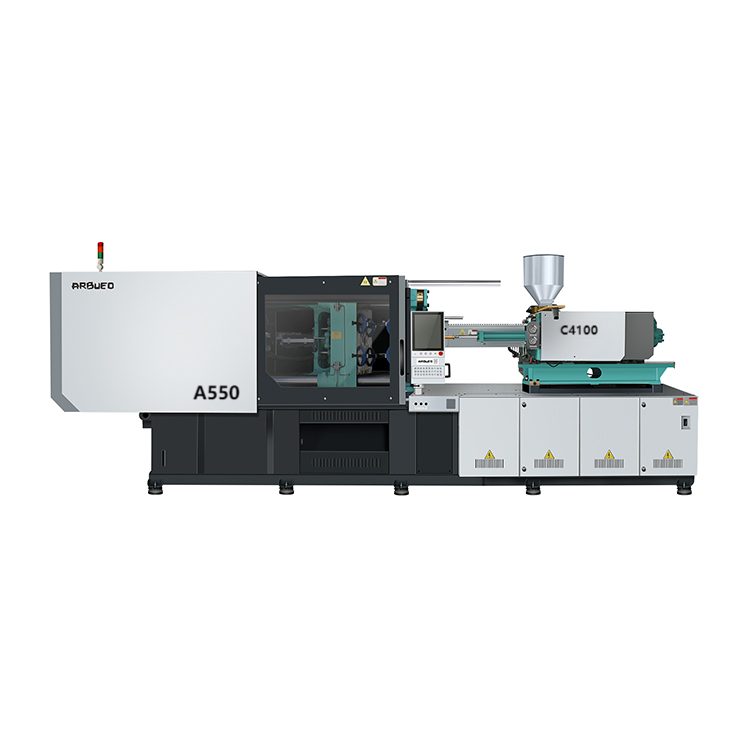
Plastic Crate Injection Molding Machine
Zhejiang ARBUEO is a brand of high-efficiency precision injection molding machines with clamping forces ranging from 70T to 2300T.

Cnc Plastic Injection Moulding Machine
Zhejiang ARBUEO is a brand of high-efficiency precision injection molding machines with clamping forces ranging from 70T to 2300T.

Plastic Cup Injection Molding Machine
Zhejiang ARBUEO is a brand of high-efficiency precision injection molding machines with clamping forces ranging from 70T to 2300T.

Silicone Rubber Injection Molding Machine
Zhejiang ARBUEO is a brand of high-efficiency precision injection molding machines with clamping forces ranging from 70T to 2300T.

Nylon Injection Molding Machine
Zhejiang ARBUEO is a brand of high-efficiency precision injection molding machines with clamping forces ranging from 70T to 2300T.

Small Scale Injection Molding Machine
Zhejiang ARBUEO is a brand of high-efficiency precision injection molding machines with clamping forces ranging from 70T to 2300T.

Pvc Injection Moulding Machine
Zhejiang ARBUEO is a brand of high-efficiency precision injection molding machines with clamping forces ranging from 70T to 2300T.

Small Horizontal Injection Molding Machine
Zhejiang ARBUEO is a brand of high-efficiency precision injection molding machines with clamping forces ranging from 70T to 2300T.
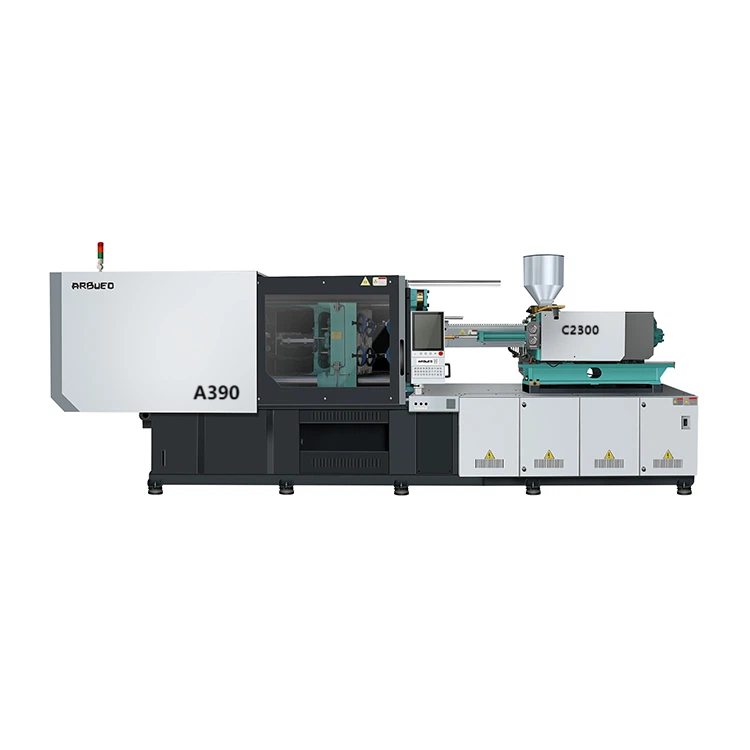
Pet Bottle Injection Moulding Machine
Zhejiang ARBUEO is a brand of high-efficiency precision injection molding machines with clamping forces ranging from 70T to 2300T.
Why Choose Us
Advanced equipment
We take strong measures to ensure that we use the highest quality equipment in the industry and that our equipment is regularly and meticulously maintained.
Professional team
We have a team of skilled and experienced professionals who are well-versed in the latest technology and industry standards. Our team is dedicated to ensuring that our customers get the best service and support possible.
Competitive prices
We offer our products at competitive prices, making them affordable for our customers. We believe that high-quality products should not come at a premium, and we strive to make our products accessible to all.
Rich experience
Has a long-standing reputation in the industry, which makes it stand out from its competitors. With over many years of experience, they have developed the skills necessary to meet their clients' needs.
Commitment to quality
We're committed to quality and concrete actions. That means we always deliver solutions in a professional and practical way.
Customer satisfaction
Providing after-sales services can enhance customer satisfaction by ensuring that customers' needs are met even after the purchase. This can lead to increased customer loyalty and positive word-of-mouth referrals.
What' s The Minimum Machine To Produce a Plastic Chair
The minimum machine required to produce a plastic chair is an injection molding machine. Injection molding is a manufacturing process where molten plastic is injected into a mold cavity, which is then cooled to solidify the plastic part. The key components of an injection molding machine are
Injection unit: This comprises a hopper to hold the plastic pellets, a heated barrel, and a screw or ram to melt and inject the plastic into the mold.
Clamping unit: This holds the two halves of the mold tightly together during the injection and cooling phases.
Mold: This is the custom-designed tool that gives the plastic part its desired shape. It typically consists of two or more pieces that open to eject the finished part.
Control system: This regulates the various parameters of the injection molding process, such as temperature, pressure, and timing.
The minimum machine size and capabilities required would depend on the specific dimensions and design of the plastic chair being produced. Smaller, simpler chairs could potentially be made on a relatively compact, entry-level injection molding machine. But more complex, larger chairs may necessitate a more industrial-scale machine with higher clamping force and shot size capabilities.
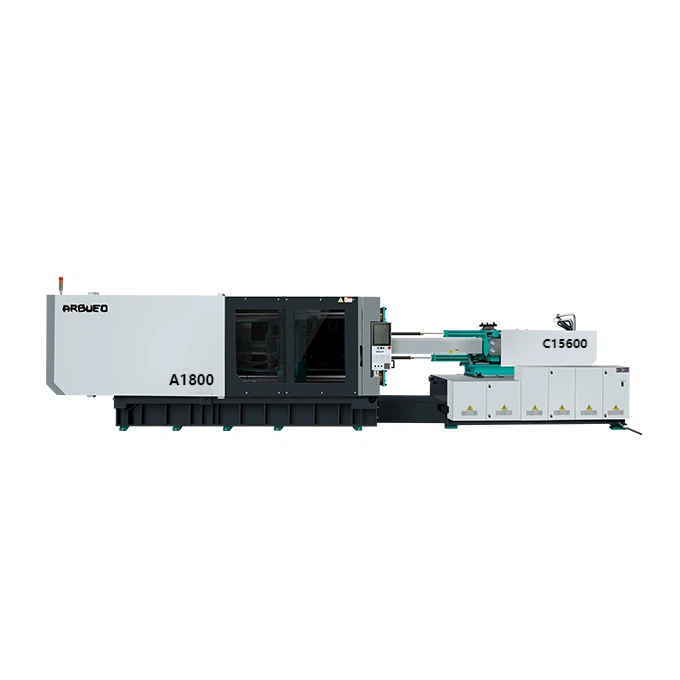
Injection molding machines come in a variety of types and sizes, each designed for specific applications. The three most common types of injection molding machines are hydraulic, electric, and hybrid.
Hydraulic injection molding machines use hydraulic pressure to generate the necessary clamping force. They are commonly used for high-volume production runs and can produce large and complex parts. However, they are also more expensive to operate due to their high energy consumption and maintenance costs.
Electric injection molding machines use electric servo motors to generate the necessary clamping force. They are more energy-efficient than hydraulic machines and offer better repeatability and precision. Electric machines are ideal for clean-room applications, such as medical devices and electronics, as they produce less noise and vibration.
Hybrid injection molding machines combine the best features of hydraulic and electric machines. They use a hydraulic system to generate the clamping force and electric servo motors for injection and ejection. Hybrid machines are versatile and energy-efficient, making them a popular choice for a wide range of applications.
Common Gate Designs of Injection Molding Machine
Common gate designs used in injection molding machines include
Sprue Gate: A simple gate design where the molten plastic is injected into the mold through a single entry point called the sprue. This gate is typically used for larger parts and can leave a small, easily removable mark on the finished product.
Submarine Gate: Also known as a tunnel gate, this gate is located below the parting line of the mold. It is often used for parts that require a gate mark to be hidden or minimized.
Edge Gate: This gate is located at the edge of the part and is used for parts where appearance is critical, as it leaves a minimal gate mark. It is commonly used for flat parts or parts with thin walls.
Hot Runner Gate: In this design, the plastic is injected through a heated runner system directly into the cavity, without the need for a separate gate. Hot runner systems are more complex and expensive but can reduce cycle times and material waste.
Pin Gate: A gate design where the plastic is injected through a small pin directly into the cavity. This gate is often used for parts with intricate geometries or where gate marks must be minimized.
Fan Gate: Also known as a tab gate, this gate design is used for parts with larger surface areas. It creates a wide, flat gate that allows for even distribution of the molten plastic.
Film Gate: This gate design is used for thin-walled parts or parts where appearance is critical. It creates a thin gate that minimizes the appearance of the gate mark on the finished part.
These are just a few common gate designs used in injection molding machine. The choice of gate design depends on factors such as part geometry, material, appearance requirements, and production volume.
Crafting a Plastic Chair: Injection Molding Machine Guide
Preparing the Injection Molding Machine
Ensure your injection molding machine is in good working condition.
Clean the machine thoroughly to prevent any contamination.
Set the machine parameters according to the plastic material being used for the chair.
Choosing the Right Mold
Select a mold specifically designed for manufacturing plastic chairs.
Ensure the mold is clean and free from any defects or damage that could affect the final product' s quality.
Preparing the Plastic Material
Choose a suitable plastic material for the chair, considering factors like durability, cost, and appearance.
Measure and mix the required quantities of plastic pellets and any additives, following the manufacturer' s guidelines.
Load the plastic material into the hopper of the injection molding machine.
Injection Molding Process
Close the mold and ensure it' s securely locked in place.
Start the injection molding machine and allow it to warm up to the desired temperature.
Inject the molten plastic material into the mold cavity using the machine' s injection unit.
Maintain the required injection pressure and speed to ensure proper filling of the mold.
Cooling and Ejection
Allow the plastic material to cool and solidify inside the mold.
Once cooled, open the mold and remove the newly formed plastic chair.
Inspect the chair for any defects or imperfections. If present, troubleshoot the issue and make necessary adjustments before proceeding to the next production cycle.
Finishing Touches
Trim off any excess plastic or flash from the chair using appropriate tools.
Conduct a final quality check to ensure the chair meets the desired specifications.
Optionally, apply any desired surface finishes, such as painting or texturing, to enhance the chair' s visual appeal.
Main Components of Injection Molding Machine
We cannot explain the injection molding process without mentioning the injection molding machine. Understanding the injection molding machine will help you to understand the process better and easier. The injection molding machine has several components which include:
The Injection Unit: This component of the injection molding machine is responsible for heating and injecting resins into the plastic injection mold. A hopper, barrel, ram injector, reciprocating crew, screws, and nozzle are among the components of the device. The material is fed to a barrel through a hopper, which is a huge container with an open bottom.
The injection molding material is forced forward via a heated area by the barrel, which is equipped with a ram injector. Injection molding materials are propelled forward using reciprocating screws. The resins are then forced to travel towards the plastic injection mold through the slots in the screw. The resins and molten metal are melted in the heating channel.
The Clamping Unit. Molds are normally made in two sections, which are clamped together. The injection molds are fastened together just before the injection procedure. Each half must be secured to the platen, which resembles a huge plate.
The molds are opened with a clamping motor after the injected molten resins have cooled to the desired temperature. The solid plastic object was forced out of the open chamber by an ejection system with an ejection bar in the back half of the mold.
The Mold Base. The mold core and the mold cavity are the two major components of a mold. These two components are attached to the platens of a mold base to form a pair. The support plate, sprue bushing, and locating ring on the front part of the molded baseline the mold base with the nozzle.
An ejection system and a support plate are located on the back part of the mold base. The ejection system includes an ejection bar. It aids in the removal of solidified plastic injection molds from the mold cavity, as the name implies.
The Mold Channels: Mold channels are the channels via which plastic resins flow into mold cavities. To make a single component, these channels are incorporated into the mold design. The molten plastic enters through the sprue and then continues into the runners.
The runners guide the plastic resin through a gate, allowing the molten resin to fall into the hollow. Cooling channels are occasionally made to let water travel along the mold walls and speed up the cooling process of molten plastic.
Mold Design. In addition to the mold base and mold channels that are discussed above, there are a number of other designs that should be considered while building a mold. Complex geometries and features must be included in the plastic injection mold design for instance the undercuts.
Some devices can also be introduced along the parting direction into the injection mold. The injection moulding design includes the draft angle that is applied to the mold walls.
Mold Tooling. Let's take a deeper look at injection mold tooling. Molds manufactured of steel or aluminum are used in custom tooling.
Each metal has its own set of benefits and is employed in different ways, of course, based on the sort of plastic part needed. The two primary components of the part cavity are the mold core and mold cavity. When the mold is closed, the area between these two forms the part cavity, which is then injected with molten plastic resin.
Specifications Of Machines. A plastic injection molding machine has different specifications. Injection molders are typically characterized by the clamp force tonnage that they provide. The pressure used to inject the molten resins also plays a big role. High tonnage is required for materials that require a high injection pressure. The shot capacity, clamp stroke, mold thickness, and platen size are all critical variables that must be considered when purchasing a plastic injection molding machine.
Plastic Injection Molding Machine's Daily Maintenance
The daily maintenance of the plastic injection molding machine is related to the service life of the injection molding machine. Just like our cars, the car can run faster and morestably only if it is regularly maintained.
Check and adjust all safety facilities every day, and ensure that all safety facilities are normal before using and operating the plastic injection molding machine; Check the oilquantity in the lubricating oil tank, and add new oil of the same brand; Check the oil level on the hydraulic oil tank. If the oil level drops below the centerline of the level gauge, addhydraulic oil above the centerline, and add new oil of the same brand; After the frst operation for 1000 hours, replace or clean the oil suction filter, hydraulic oil and oil tank;,
When the plastic injection molding machine operating for 5000 hours or at most one year, replace or clean the air filter and hydraulic oil. Note that the old and new hydraulic oilcannot be mixed; Check and replace the sealing ring and wear ring of the hydraulic cylinder and replace the high-pressure hose after 20000 hours of operation or at most 5 years;Replace the controller (host) battery every 3 years; Replace the battery on the operation panel every 5 years.
During the use of the plastic injection molding machine, it is necessary to regularly observe whether each lubricating point of the injection molding machine is in normal workingcondition. It shall be noted that each lubrication time must be sufficient to ensure that each lubrication point of the entire lubrication system is well lubricated. The lubrication modulus (interval time) and each lubrication time of the machine are realized through the reasonable setting of computer parameters. Regularly observe the working condition of the lubricating system and keep the lubricating oil in the oil tank at a reasonable level. In case of poor lubrication, timely lubricate and check the lubrication conditionof each lubrication point to ensure that the injection molding machine is well lubricated.
The air filter of the oil tank is used to breathe in the oil tank and prevent dirt such as external dust from entering the oil tank, so it is a very important component that needs regular maintenance. The air filter is installed on the top of the oil tank. Before cleaning, loosen the cover, replace the air filter element, and then tighten the cover again. Note thatthe cover must be tightened, otherwise the oil will spill out.
Our Factory
Zhejiang ARBBUEO Intelligent Equipment Manufacturing Co., Ltd. is an enterprise focusing on the research and development, production and sales of intelligent injection molding systems. Our overall machine design and manufacturing concepts are high speed, high precision, energy saving, high safety and high stability. The company adheres to the concept of customized production and provides customers with one-stop turnkey solutions for injection molding production lines to help customers improve their competitiveness, accelerate the production process, and obtain greater profits.

Certifications


FAQ
Q: What are the 3 main parts of an injection molding machine?
Q: What is the basic process of injection molding machine?
Q: How long do injection molding machines last?
Q: What size injection molding machine do I need?
Q: What are the alternatives to injection molding machine?
Q: What is the difference between all electric and hydraulic injection molding machines?
Q: What is the difference between vertical and horizontal plastic injection molding machines?
Q: What is the most common injection molding machine?
Q: What does an injection molding machine do?
Q: What are the advantages of injection molding machine?
Q: What are the objectives of injection molding machine?
Q: Who uses injection molding machine?
Q: What is the purpose of injection molding machine?
Q: What is the principle of injection molding machine?
Hot Tags: plastic chair injection molding machine, China plastic chair injection molding machine manufacturers, suppliers, factory, molding service


