


What is the Plasticizing Time of a Large Injection Molding Machine?
In the realm of manufacturing, injection molding machines play a pivotal role in shaping the plastic products we use daily. As a dedicated supplier of Large Injection Molding Machine, I am often asked about the plasticizing time of these robust machines. In this blog post, I'll delve into the concept of plasticizing time, its significance, and the factors that influence it in large injection molding machines.

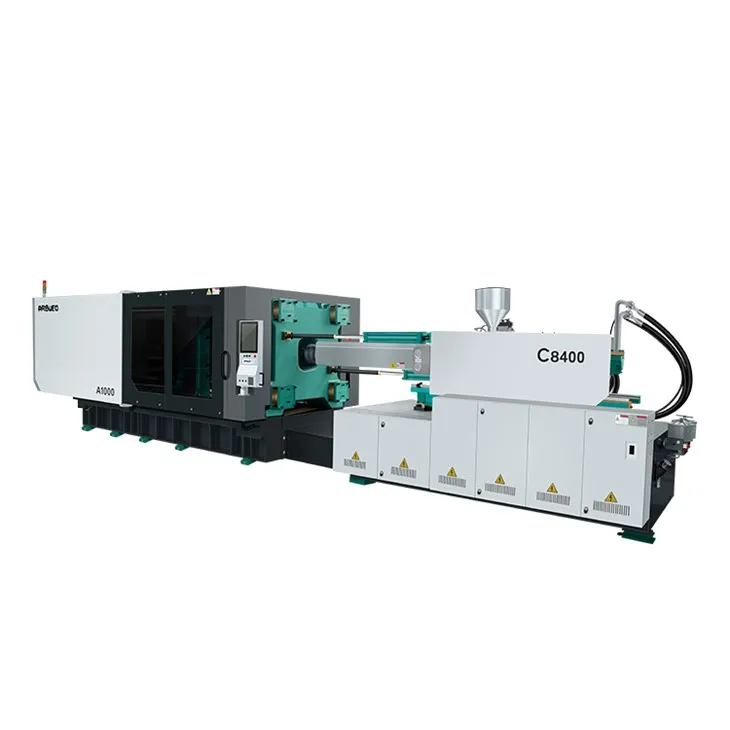
Understanding Plasticizing Time
Plasticizing time is a critical parameter in the injection molding process. It refers to the duration required for the injection molding machine to heat, melt, and homogenize the plastic material before it is injected into the mold cavity. In simpler terms, it's the time it takes for the raw plastic granules to transform into a molten, workable state ready for shaping.
The plasticizing process occurs in the screw barrel of the injection molding machine. The screw rotates, conveying the plastic granules forward while simultaneously heating them through the barrel's external heaters and the friction generated by the screw's movement. As the plastic melts, it accumulates in front of the screw head, forming a shot that will be injected into the mold later.
Significance of Plasticizing Time
The plasticizing time has a direct impact on the overall efficiency and productivity of the injection molding process. A shorter plasticizing time means that the machine can produce more parts within a given period, leading to increased output and potentially higher profits.
Furthermore, it affects the quality of the molded parts. If the plasticizing time is too short, the plastic may not be fully melted or homogenized, resulting in defects such as incomplete filling, poor surface finish, or inconsistent mechanical properties. On the other hand, an excessively long plasticizing time can lead to thermal degradation of the plastic, causing discoloration, brittleness, and a loss of strength in the final product.
Factors Influencing Plasticizing Time
- Plastic Material Properties
- Different types of plastics have different melting points, viscosities, and thermal conductivities. For instance, amorphous plastics like polystyrene (PS) and polycarbonate (PC) generally have lower melting points and viscosities compared to semi - crystalline plastics like polyethylene (PE) and polypropylene (PP). As a result, amorphous plastics typically require less plasticizing time.
- The plastic's thermal conductivity also plays a role. Plastics with higher thermal conductivity can transfer heat more efficiently, enabling faster melting and reducing the plasticizing time.
- Screw Design
- The design of the screw in the injection molding machine significantly affects plasticizing time. Factors such as screw length - to - diameter ratio (L/D ratio), compression ratio, and screw flight pitch impact the plasticizing efficiency.
- A higher L/D ratio provides more space for the plastic to be heated and mixed, facilitating better melting and homogenization. A proper compression ratio helps to compact the plastic and increase the pressure, which in turn aids in heat transfer and melting. Additionally, an appropriate screw flight pitch ensures smooth plastic conveyance and uniform heating.
- Heating System
- The efficiency of the heating system in the barrel is crucial for determining plasticizing time. A well - designed heating system can maintain a stable and precise temperature throughout the plasticizing process.
- The power and distribution of the heaters also matter. Higher - power heaters can heat the plastic more quickly, but they need to be carefully controlled to prevent overheating. The arrangement of the heaters along the barrel should ensure uniform heating, so that the plastic is melted evenly.
- Injection Molding Machine Size
- In the case of large injection molding machines, the plasticizing time is often longer compared to smaller machines. This is because large machines need to process a larger volume of plastic in each shot. The increased mass of the plastic requires more energy and time to heat and melt.
- However, modern large injection molding machines are equipped with advanced technologies and larger, more efficient screw - barrel systems to minimize the plasticizing time as much as possible.
Measuring and Optimizing Plasticizing Time
To accurately measure the plasticizing time, manufacturers often use specialized sensors and monitoring systems. These tools can track the temperature, pressure, and screw rotation speed during the plasticizing process, providing valuable data for analysis.
Optimizing the plasticizing time involves a combination of proper machine selection, material choice, and process parameter adjustment. When choosing a large injection molding machine, consider the specific requirements of your production, such as the type of plastic, part size, and production volume. Select a machine with a screw design and heating system that can efficiently process the intended plastic.
In terms of material selection, choose plastics with properties suitable for the application and the machine's capabilities. Adjust process parameters like screw speed, backpressure, and heating temperature to find the optimal balance between plasticizing time and part quality.
Impact on Different Industries
In various industries, the plasticizing time of large injection molding machines can influence production strategies and product quality. For example, in the automotive industry, large injection molding machines are used to produce parts such as bumpers, dashboard components, and door panels. A shorter plasticizing time allows for faster production of these large parts, reducing lead times and increasing the overall production capacity of automotive manufacturers.
In the consumer goods industry, where products like Toy Injection Molding Machine - made toys and household items are produced, minimizing plasticizing time can lead to more cost - effective production. Manufacturers can produce a greater number of high - quality products at a lower cost, making them more competitive in the market.
Another example is the packaging industry, which often uses Injection Stretch Blow Molding Machine to create plastic bottles and containers. Faster plasticizing time in these machines enables higher - speed production lines, meeting the high - volume demands of the industry.
Conclusion
Plasticizing time is a fundamental aspect of the injection molding process, especially for large injection molding machines. It is influenced by multiple factors, including plastic material properties, screw design, heating system, and machine size. By understanding and optimizing the plasticizing time, manufacturers can enhance productivity, improve part quality, and gain a competitive edge in the market.
If you are interested in learning more about large injection molding machines and how to optimize their plasticizing time for your specific applications, we are here to help. Our team of experts can provide you with in - depth technical support and customized solutions. Contact us for a consultation on your injection molding needs, and let's work together to achieve your production goals.
References
- "Injection Molding Handbook" by Rosato and Rosato
- "Plastics Processing Technology" textbook for industry - relevant knowledge on plasticizing processes.