


Selecting the right injection machine is a crucial decision for any business involved in plastic manufacturing. As an injection machine supplier, I've seen firsthand how the wrong choice can lead to inefficiencies, increased costs, and even production failures. In this blog post, I'll share some key factors you should consider when choosing an injection machine.
1. Production Requirements
The first thing you need to think about is your production requirements. This includes the type of products you want to make, the production volume, and the cycle time.
If you're planning to produce phone cases, for example, you'll need a Phone Case Injection Molding Machine that can handle the specific materials and design requirements of phone cases. These machines often need to have high precision and fast cycle times to meet the market demand.
On the other hand, if you're into making tableware, a Tableware Injection Molding Machine would be more suitable. Tableware production may require different features such as larger molds and the ability to work with food - grade plastics.

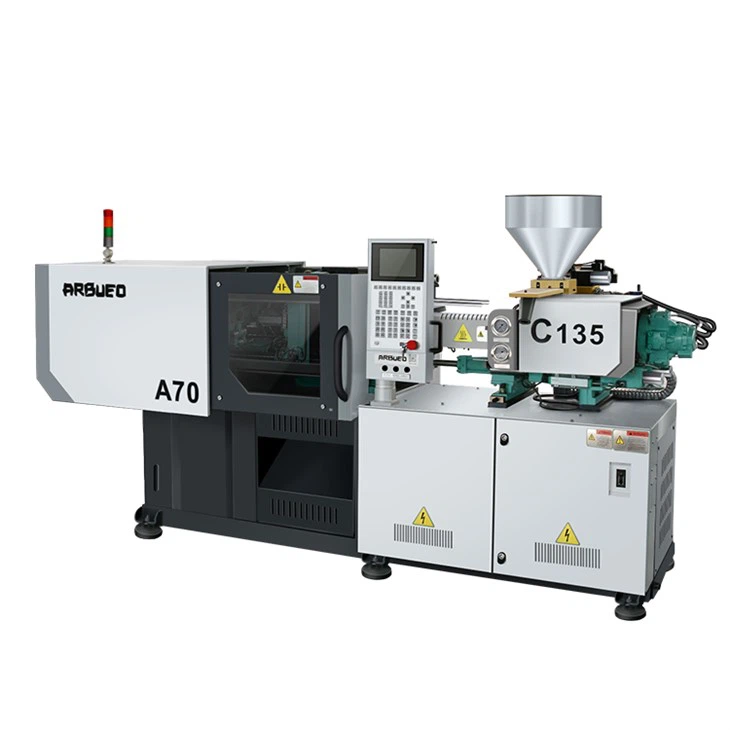
For those producing PET preforms, a PET Preform Plastic Injection Molding Machine is essential. These machines are designed to produce high - quality PET preforms with consistent wall thickness and excellent clarity.
The production volume also plays a big role. If you have a high - volume production target, you'll need a machine that can operate continuously for long periods without breakdowns. You might also want to consider machines with multiple cavities to increase the output per cycle.
2. Machine Size and Space
Another important factor is the size of the injection machine and the available space in your factory. You don't want to buy a machine that's too big for your workspace, as it can cause logistical problems and may even violate safety regulations.
Measure the area where you plan to install the machine carefully. Consider not only the footprint of the machine but also the space needed for maintenance, loading and unloading materials, and access to control panels. Some machines may also require additional space for auxiliary equipment such as hoppers, dryers, and conveyors.
3. Clamping Force
Clamping force is the force that holds the mold closed during the injection process. It's a critical parameter because if the clamping force is too low, the plastic may leak out of the mold, resulting in defective products. On the other hand, if it's too high, it can damage the mold and increase energy consumption.
The required clamping force depends on the size and complexity of the mold, as well as the type of plastic being used. As a general rule, larger molds and plastics with high viscosity require higher clamping forces. When choosing a machine, make sure to consult with the supplier to determine the appropriate clamping force for your specific application.
4. Injection Capacity
Injection capacity refers to the maximum amount of plastic that the machine can inject into the mold in one cycle. It's measured in grams or ounces. You need to choose a machine with an injection capacity that matches the size of your products.
If the injection capacity is too small, you won't be able to fill the mold completely, leading to incomplete products. If it's too large, you may waste plastic and increase production costs. Consider the weight of the plastic parts you want to produce and select a machine with an appropriate injection capacity.
5. Precision and Repeatability
Precision and repeatability are vital for producing high - quality products. A machine with good precision can ensure that each product has the same dimensions and properties. Repeatability means that the machine can produce consistent results over multiple cycles.
Look for machines with advanced control systems that can accurately control parameters such as temperature, pressure, and injection speed. These systems can help maintain the quality of the products and reduce the number of defective items.
6. Energy Efficiency
Energy costs can be a significant part of your production expenses. Therefore, it's important to choose an energy - efficient injection machine. Modern machines often come with features such as variable - frequency drives, servo - motor systems, and energy - saving heating elements.
These features can reduce energy consumption by adjusting the power output according to the actual needs of the machine. Over time, the savings on energy costs can be substantial, making the investment in an energy - efficient machine worthwhile.
7. Maintenance and Service
Like any other equipment, injection machines require regular maintenance to ensure their smooth operation. Choose a machine that is easy to maintain, with accessible parts and clear maintenance instructions.
Also, consider the availability of spare parts and the quality of after - sales service. A reliable supplier should be able to provide prompt support in case of breakdowns and offer a wide range of spare parts at reasonable prices.
8. Cost
Of course, cost is always a factor. But don't just focus on the initial purchase price. Consider the total cost of ownership, which includes not only the purchase price but also operating costs, maintenance costs, and the cost of spare parts.
A cheaper machine may seem like a good deal at first, but if it has high energy consumption, frequent breakdowns, and expensive spare parts, it may end up costing you more in the long run. Compare the prices and features of different machines from various suppliers to find the best value for your money.
Conclusion
Selecting an injection machine is a complex decision that requires careful consideration of multiple factors. By taking into account your production requirements, machine size, clamping force, injection capacity, precision, energy efficiency, maintenance, and cost, you can make an informed choice that will benefit your business in the long term.
If you're still unsure about which injection machine is right for you, don't hesitate to reach out to us. We're here to help you find the perfect solution for your plastic manufacturing needs. Whether you're a small - scale producer or a large - scale factory, we have the expertise and the range of machines to meet your requirements. Contact us today to start the procurement discussion and take your production to the next level.
References
- "Injection Molding Handbook" by O. Olszewski
- "Plastic Injection Molding Technology" by Rosato and Rosato