


Transporting a hydraulic rubber moulding machine can be a tricky business. As a supplier of these machines, I've had my fair share of experiences in getting these hefty pieces of equipment from point A to point B safely. In this blog, I'll share some tips and insights on how to transport a hydraulic rubber moulding machine effectively.
Understanding the Machine
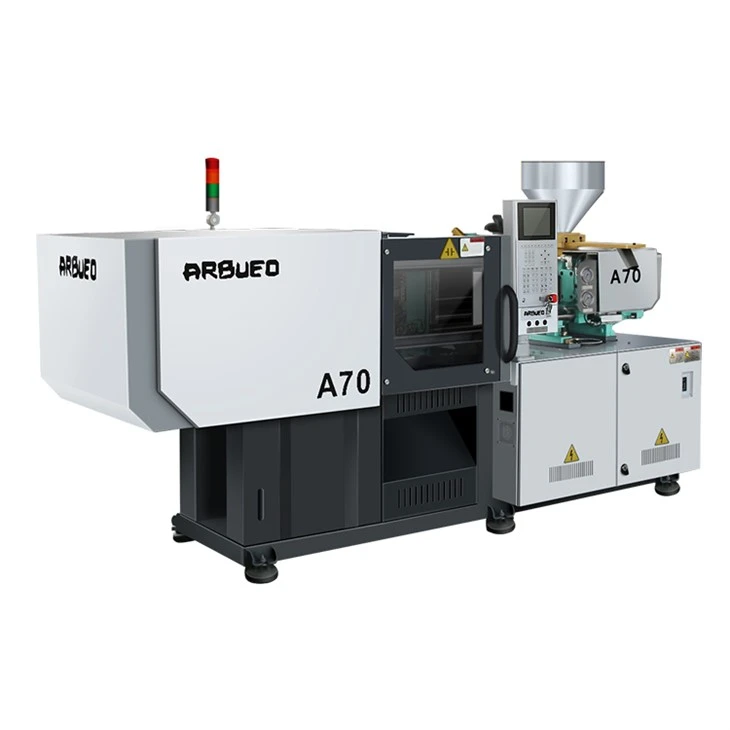
First things first, you gotta understand what you're dealing with. A Hydraulic Rubber Moulding Machine is a complex piece of machinery. It's heavy, bulky, and filled with sensitive components. The hydraulic system, in particular, is crucial and needs to be handled with care. Any damage to the hydraulic parts can lead to costly repairs and downtime for the customer.
The size and weight of the machine can vary depending on its capacity and design. Some smaller machines might weigh a few hundred kilograms, while larger industrial - grade ones can tip the scales at several tons. This means that the transportation method you choose will be largely determined by the machine's physical characteristics.
Pre - Transportation Preparations
Before you even think about moving the machine, there are a few important steps to take.
Inspection
Give the machine a thorough inspection. Check for any loose parts, leaks in the hydraulic system, or signs of wear and tear. Make sure all the electrical connections are secure. If you find any issues, fix them before transportation. It's better to catch these problems early than to have them cause trouble during the move.
Disassembly
In some cases, it might be necessary to disassemble certain parts of the machine for easier transportation. For example, the moulding dies, control panels, or some of the auxiliary equipment can be removed. However, this should be done carefully, and you should keep track of all the parts. Label each component clearly so that it can be easily reassembled at the destination.
Documentation
Prepare all the necessary documentation. This includes the machine's manual, warranty information, and any technical specifications. You'll also need to have a bill of lading if you're using a third - party transportation service. This document details the contents of the shipment and is essential for legal and insurance purposes.
Choosing the Right Transportation Method
The choice of transportation method depends on several factors, such as the distance, the size and weight of the machine, and the budget.
Road Transportation
For local or short - distance moves, road transportation is often the most practical option. You can use a flatbed truck or a specialized machinery transporter. Flatbed trucks are great because they allow for easy loading and unloading of the machine. However, you need to make sure the truck is properly equipped to handle the weight of the machine. Straps and chains should be used to secure the machine to the truck bed to prevent it from shifting during transit.
Rail Transportation
If you're moving the machine over a long distance, rail transportation can be a cost - effective option. Railroads are designed to handle heavy loads, and they can often offer more stable transportation compared to roads. But, you'll need to arrange for loading and unloading at the rail terminals, which can add some complexity to the process.
Sea Transportation
For international shipments, sea transportation is usually the way to go. The machine can be loaded into a shipping container. There are different types of containers available, such as 20 - foot and 40 - foot containers. You'll need to ensure that the machine is properly secured inside the container to prevent damage from the movement of the ship. Shipping lines also offer insurance options, which is a good idea to protect your investment.
Loading and Unloading
Loading and unloading the hydraulic rubber moulding machine is a critical phase of the transportation process.
Loading
When loading the machine, use appropriate lifting equipment such as cranes or forklifts. Make sure the operators are experienced and qualified. The machine should be lifted evenly to avoid putting too much stress on one side. If you're using a flatbed truck, position the machine in the center of the truck bed and secure it tightly.
Unloading
At the destination, the unloading process should be just as careful as the loading. The machine needs to be placed on a stable surface. Once unloaded, it's a good idea to do another quick inspection to make sure everything is still in order.
Insurance
Transporting a hydraulic rubber moulding machine involves a certain amount of risk. There's always a chance of damage during transit, whether it's due to rough handling, accidents, or natural disasters. That's why it's essential to get insurance for the shipment. Most transportation companies offer insurance options, but you should also check with your own insurance provider to see if they can offer additional coverage.
Post - Transportation Checks
Once the machine has reached its destination, it's time to do some final checks.

Reassembly
If the machine was disassembled for transportation, reassemble it according to the labels and the machine's manual. Make sure all the parts are properly connected and tightened.
Testing
After reassembly, test the machine. Check the hydraulic system for leaks, and make sure all the functions are working correctly. This is the time to iron out any issues that might have occurred during transportation.
Related Machines
If you're in the market for other types of moulding machines, we also offer Hydraulic Plastic Injection Moulding Machine and Hydraulic Clamping Injection Molding Machine. These machines have their own unique transportation requirements, but many of the principles we've discussed here still apply.
Conclusion
Transporting a hydraulic rubber moulding machine requires careful planning and execution. From pre - transportation preparations to post - transportation checks, every step is important to ensure that the machine arrives at its destination in good working condition. If you're interested in purchasing a hydraulic rubber moulding machine or need more information on transportation, feel free to get in touch with us. We're here to help you through the entire process.
References
- Machinery Transportation Handbook
- Hydraulic Rubber Moulding Machine Manufacturer's Manuals